2026 Digital Engagement: Top Link & QR Code Trends
Ready to get started?
Join thousands of users who are already using our platform to manage their links efficiently.
Create Your Free AccountThe 2026 Digital Engagement Landscape: A Data-Driven Hook
Picture this: by 2026, industry insiders project that a whopping over 85% of customer journeys that start offline and move online will depend entirely on intelligent engagement points. We're talking specifically about dynamic URL shortening and those super integrated QR codes you're starting to see everywhere. Let's be honest, we're officially way past the days when a link was just a simple, static digital doorway. Today, every single click, every quick scan, it all represents a crucial node in your data-gathering strategy and, more importantly, in your customer's overall experience.
Ready to dive in? In this comprehensive industry insight report, we're going to pull back the curtain and explore the profound shift happening in how digital marketers, savvy operations teams, and even huge enterprise brands are managing their entire link infrastructure. We'll break down the current state of link management, explore the specific, game-changing trends shaping 2026, and here's the best part: we'll provide you with practical, actionable steps to seriously upgrade your digital engagement strategy. No fluff, just stuff you can use.
The very definition of a short link has changed forever. In 2026, a link isn't just a redirect; it's an active, programmable asset that makes real-time routing decisions based on who's clicking, what device they're using, and even where they are geographically.
The Current State of URL Shortening and Link Management: Beyond the Basics
From Static Destinations to Truly Dynamic Assets
Remember the early days? URL shortening was really born out of a simple, practical limitation: those pesky character counts on social media platforms. Fast forward to today, and while many of those character limits have largely vanished, the demand for enterprise-grade link management has absolutely skyrocketed. So, why the sudden surge? Because the modern marketer needs extreme agility. The current state of the industry revolves around something crucial: Dynamic Routing. Think about it: marketers simply can't afford to launch a massive print campaign or a global social media push with static URLs that might break if a webpage goes down, a product sells out, or promotions change. That's a recipe for lost customers and wasted ad spend, right?
Instead, smart brands are leveraging dynamic links that let them change the final destination URL in real-time. The best part? You don't have to alter the outward-facing short link or reprint a single QR code. Imagine this scenario: a promotional product sells out faster than expected. The team simply logs into their link management dashboard and redirects that existing short link to an alternative product page or a "coming soon" landing page. This isn't just convenient; it prevents dead ends, preserves user trust (nobody likes a 404 error!), and salvages crucial marketing ROI.
The Rise of First-Party Data Imperatives
We all know the cookie crunch is coming, right? As third-party cookies continue their phased departure across major browsers, marketing departments are aggressively pivoting to first-party data strategies. And guess what? Custom short links have emerged as an incredibly stealthy and effective tool for collecting that precious first-party data. Every single time a user clicks one of your branded links, your brand captures valuable, un-siloed data. We're talking about their location, device type, where they came from (referral source), and even the exact time of their engagement. This data is entirely owned by your brand, empowering you to build robust, personalized customer profiles without having to lean so heavily on those "walled-garden" ad platforms.
If you're still using generic domains for your short links, you're actually leaking brand equity and data to third parties. Upgrading to a custom branded domain is the most immediate, impactful step you can take toward building a rock-solid first-party data strategy.
Top URL Shortening and QR Code Trends for 2026: What's Next?
Trend 1: Context-Aware Deep Linking – A Seamless Mobile Experience
Let's be real: by 2026, standard web redirection just won't cut it for mobile-first audiences. We're witnessing a massive shift towards what we call Context-Aware Deep Linking. Here's where things get really smart: when a user clicks a promotional link on their smartphone, a modern link management system doesn't just blindly send them to a mobile website. Oh no. Instead, it intelligently detects whether the user already has your brand's native app installed on their device.
If the app is installed, the link routes them directly into the specific product page *within* the app. That's deep linking in action, and it's fantastic. If the app isn't installed, it seamlessly routes them to the App Store or Google Play to download it, or, if you prefer, to a mobile web fallback. This drastically reduces friction for your users, dramatically lowers bounce rates, and, as you can imagine, significantly boosts conversion rates for e-commerce and SaaS platforms. No more annoying detours – just a smooth, personalized journey.
Trend 2: Hyper-Personalized, Programmable QR Codes – Beyond Black and White
Forget those clunky, pixelated black-and-white QR codes of yesterday. Honestly, they're effectively dead. The 2026 trend centers entirely on programmable, hyper-branded QR codes that are not only functional but also visually stunning. Brands are now generating QR codes that seamlessly blend into their visual identity, incorporating logos, brand colors, and custom shapes without sacrificing an ounce of scan reliability. They look great, and they work even better.
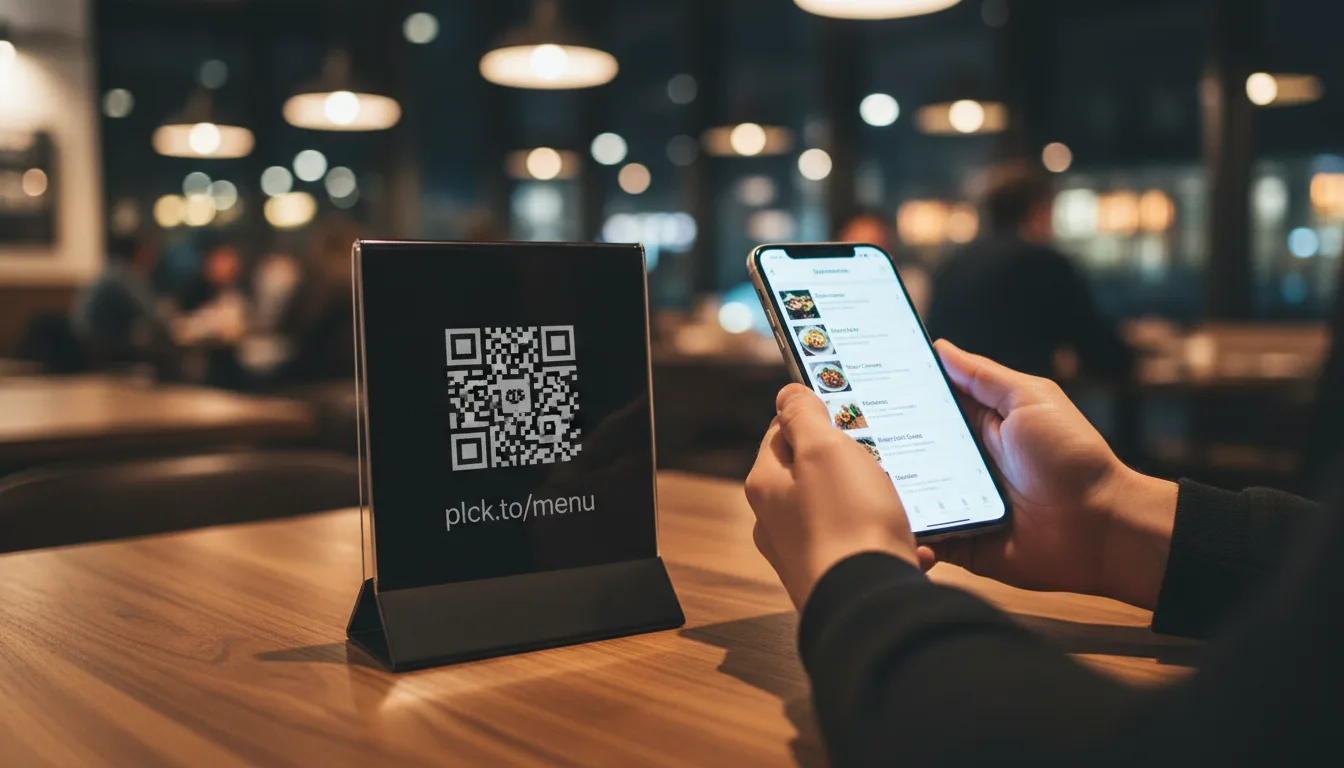
But here's the real magic: these QR codes are programmable. Imagine a restaurant chain that prints a single QR code on all their tables. If a patron scans that code before 11:00 AM, their smartphone is directed straight to the breakfast menu. If they scan it after 11:00 AM, it seamlessly routes to the lunch menu. And if it's a weekend? It could redirect to a special brunch promotion! This conditional routing is managed dynamically behind the scenes, eliminating the need to ever reprint physical collateral. Talk about efficiency!
Trend 3: Privacy-First Analytics and Consent-Based Tracking – Building Trust
Privacy is a huge deal, and rightly so. With global privacy regulations becoming stricter and consumer expectations for data protection growing, link analytics are rapidly adapting. The trend in 2026 is all about robust, privacy-first analytics dashboards that automatically strip out personally identifiable information (PII) while still delivering aggregated, actionable insights that truly matter. So, what does that mean for your links? Modern link management platforms are integrating directly with Consent Management Platforms (CMPs). This powerful connection means the destination link can instantly adapt its tracking behavior based on the user's previously stated privacy preferences, ensuring 100% compliance across multiple jurisdictions, all automatically. It's about building trust by respecting user choices from the first click.
Market Implications: What This Means for Your Strategy (Spoiler: It's Big)
Shifting Budgets Toward Intelligent Link Infrastructure
Okay, so what does all this mean for *your* budget and operational planning? The immediate implication of these trends is a necessary and significant shift in how we allocate resources. Marketing teams simply must stop viewing URL shortening as a free, afterthought utility. It's time to reframe our thinking and start viewing it as truly critical infrastructure. As campaigns become increasingly omnichannel and integrated, the link stands as the single unifying thread connecting everything: from a prominent billboard, to a television commercial, to a personalized direct mail piece, and even an influencer's fleeting Instagram Story. Investing in a centralized link management system ensures that every department—from your social media guru to your offline advertising specialist—is operating from the same unified, data-rich playbook. It brings everyone onto the same page, literally and figuratively.
Merging Offline and Online Customer Journeys: The Holy Grail of Attribution
The historical divide between physical retail metrics and digital e-commerce metrics? It's collapsing, and frankly, it's about time! With dynamic QR codes and highly localized short links, offline engagement can finally be tracked with the same incredible precision as a digital ad click. This is huge for businesses looking to understand their entire customer journey. Marketers *must* build campaigns with offline-to-online conversion firmly in mind from day one. This means assigning unique, trackable short links to distinct physical locations (think individual stores or regional events) to measure regional campaign effectiveness in real-time. This level of insight was once just a dream; now, it's within reach.
Attribution modeling in 2026 demands that you link physical world interactions directly to digital checkouts. If you can't track how many people scanned a flyer and then made a digital purchase, your attribution model is fundamentally incomplete and you're missing a massive piece of the puzzle.
Practical Case Studies: Early Adopters of 2026 Engagement Tech (They're Crushing It)
Retail Sector: The Interactive Packaging Revolution
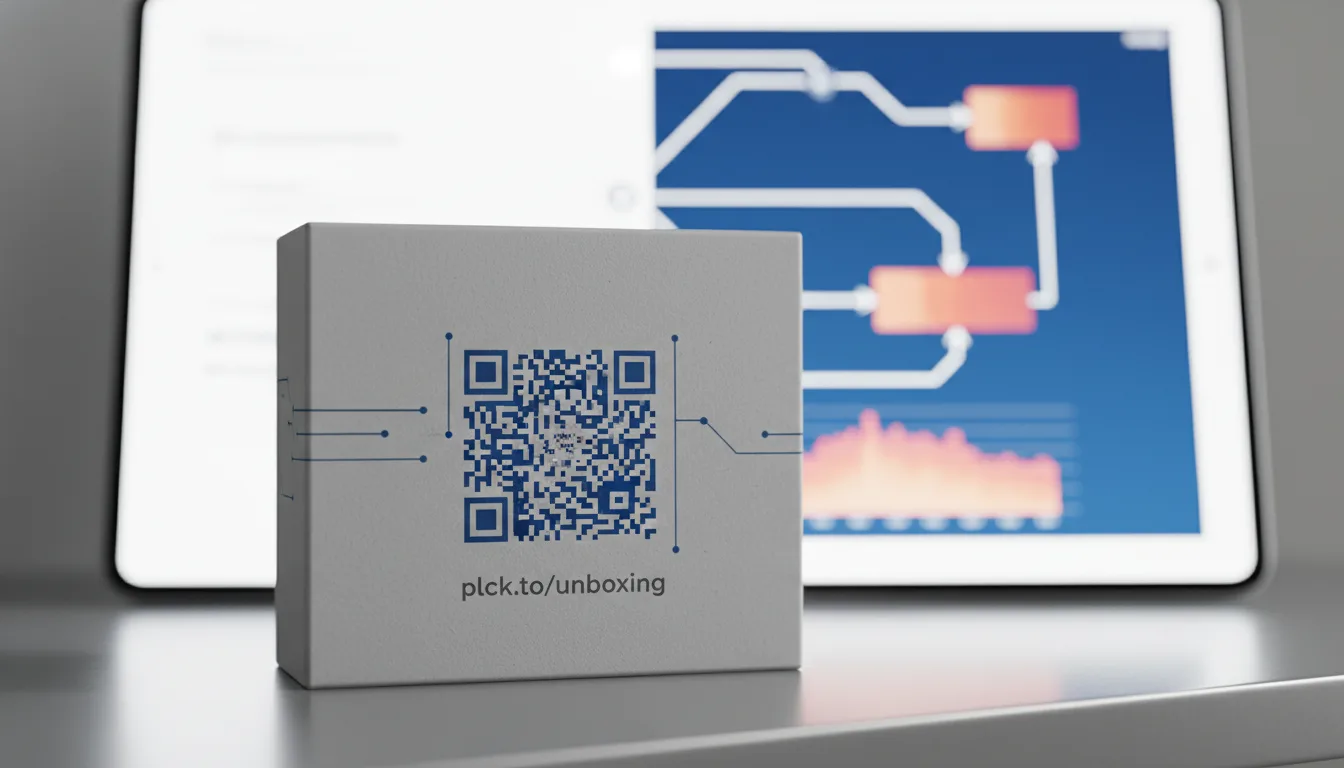
Let's look at some real-world examples. Imagine a forward-thinking, direct-to-consumer cosmetics brand. In the past, they simply printed static support URLs right on their packaging. Pretty basic, right? But for their 2026 product lines, they've adopted dynamic QR codes powered by modern link infrastructure. They printed one standardized QR code on all their product boxes. Now, when a customer scans that code via a custom link (say, planck.to/unboxing), the system intelligently analyzes their geolocation and device language.
The result? A customer scanning in Paris is instantly routed to a French-language video tutorial, while someone scanning in New York gets an English-language page featuring amazing cross-sell opportunities for complementary products. Pretty neat, right? And here's the best part: during holiday seasons, the marketing team can simply update the destination of that planck.to/unboxing link to include a limited-time 20% discount code. The physical packaging never changes, but the digital experience remains infinitely flexible and always relevant.
"Dynamic links have effectively turned our static cardboard packaging into an interactive, evergreen marketing channel that drives measurable repeat revenue."
B2B Enterprise: Streamlined Event Content Delivery
Now, let's talk B2B. A global SaaS company used to spend a fortune printing glossy brochures for trade shows, only to watch them end up in hotel trash cans. Sound familiar? To adapt, they completely restructured their event strategy around highly specific, trackable short links. Instead of printed waste, they got actionable data.
During a recent keynote speech, the presenter simply displayed a branded short link (like planck.to/keynote2026) on the screen. This link was cleverly configured with UTM parameters that piped directly into their CRM. As attendees clicked the link to download the slide deck, the sales team instantly captured valuable lead data, attributing that lead explicitly to that exact keynote. What's really powerful here is the agility: if the slide deck needed an update post-event, the team simply changed the destination of the short link, ensuring attendees always accessed the most accurate, up-to-date information. No more outdated content floating around!
By shifting to trackable event links, this B2B brand saw a whopping 90% reduction in printing costs, all while increasing qualified lead capture from offline events by an incredible 145%! That's what we call a win-win.
Future Outlook & Actionable Insights: Preparing for Tomorrow, Today
Preparing Your Tech Stack: Laying the Groundwork for AI
So, what's next? As we look deeper into the future, the integration of artificial intelligence will continue to streamline link management in ways we're just beginning to imagine. AI will soon be able to predict link decay (that dreaded moment when a destination page goes offline) and even auto-route traffic to the closest relevant live page, preventing those frustrating 404 errors entirely. To prepare for this exciting future, you absolutely must build a robust foundation today. Disconnected spreadsheets of long, messy URLs simply won't cut it anymore; they're a digital liability.
What you need is a centralized platform that supports seamless team collaboration, offers granular analytics (so you can truly understand performance), and provides comprehensive API access for integrating with your other tools. Using a professional platform like Planck.to allows your entire organization to centralize all link assets, enforce critical branding guidelines, and maintain absolute, ironclad control over your digital pathways. It’s an investment in future-proofing your entire marketing ecosystem.
Step-by-Step Practical Implementation Guide: Ready to Get Started?
Understanding these trends is only half the battle. Knowledge is power, sure, but action is everything! To actively modernize and truly supercharge your digital engagement strategy, follow this practical, step-by-step checklist. Let's get to it:
- Step 1: Audit Your Current Links. Gather your marketing team and perform a thorough audit. Identify every instance where you're currently using unbranded, generic short links. Catalogue these across your social media profiles, email signatures, SMS campaigns, and anywhere else they might be lurking. You might be surprised what you find!
- Step 2: Establish a Custom Branded Domain. This is crucial. Stop advertising other companies' domains with generic short links. Instead, connect a custom domain that perfectly reflects your brand identity. Every link you share should reinforce and elevate your brand presence, not dilute it.
- Step 3: Standardize UTM Parameters. A short link is only as smart and useful as the tracking attached to its destination. Create a clear, company-wide standard for UTM tagging. This ensures that every link clicked feeds clean, organized, and actionable data directly into your analytics tools. Consistency is key here!
- Step 4: Centralize Operations. Migrate all your newly audited, branded, and properly tracked links into a unified, easy-to-manage dashboard. For example, setting up your workspace in Planck.to ensures that your social media manager, paid ads specialist, and offline events coordinator are all operating from the exact same source of truth. No more silos, just seamless collaboration.
- Step 5: Deploy Dynamic QR Codes. Identify your highest-traffic offline touchpoints. Think about product packaging, store windows, direct mailers, or event signage. Replace any static URLs there with dynamic QR codes. Then, challenge yourself to test conditional routing—such as time-based or location-based redirects—to maximize the relevance and effectiveness of the user experience.
Don't feel like you need to revolutionize everything overnight. Start small! Pick just one upcoming campaign (like a seasonal product launch) and run it entirely on branded, dynamic short links. Use a format like planck.to/spring-launch to track the analytics closely, and then use those fantastic results to secure buy-in for wider organizational adoption. Success breeds success!
Conclusion: The Competitive Advantage of Intelligent Links
So, what's the big takeaway here? The digital engagement trends of 2026 clearly point toward a future dominated by automation, hyper-personalization, and seamless cross-channel integration. URL shortening and QR codes have truly evolved from being mere basic utilities into powerful engines for marketing intelligence. They're not just 'links' anymore; they bridge the crucial gap between the physical and digital worlds, provide invaluable first-party data (which is gold!), and offer unprecedented flexibility through dynamic routing that adapts to your audience.
The bottom line is simple: by taking practical, proactive steps today—auditing your current setup, implementing branded domains, standardizing your tracking, and adopting those powerful programmable QR codes—you're not just keeping up; you're positioning your brand to engage users more effectively and efficiently than ever before. In an increasingly noisy and competitive digital landscape, the brands that master the frictionless, intelligent transition from a simple click or scan to a truly tailored digital experience are the ones that will secure long-term customer loyalty, build genuine connections, and ultimately achieve superior marketing ROI. It's time to make your links work smarter, not just harder.
Ready to get started?
Join thousands of users who are already using our platform to manage their links efficiently.
Create Your Free Account