Hospitality Innovation: Planck Link Portals Boost Engagement
Ready to get started?
Join thousands of users who are already using our platform to manage their links efficiently.
Create Your Free AccountHook Scenario: The Disconnected Guest Experience – We've All Been There, Right?
Picture this: you've just landed after what felt like an endless flight, exhausted but excited. You finally step into the opulent lobby of a luxury resort. It's pristine, the staff are all smiles, and your room? Absolutely immaculate. Pure bliss, you think. But then, the real world intrudes. You want a late-night snack, perhaps book a well-deserved massage for tomorrow morning, or maybe just check the pool's opening hours. And that's when the "digital disconnect" hits.
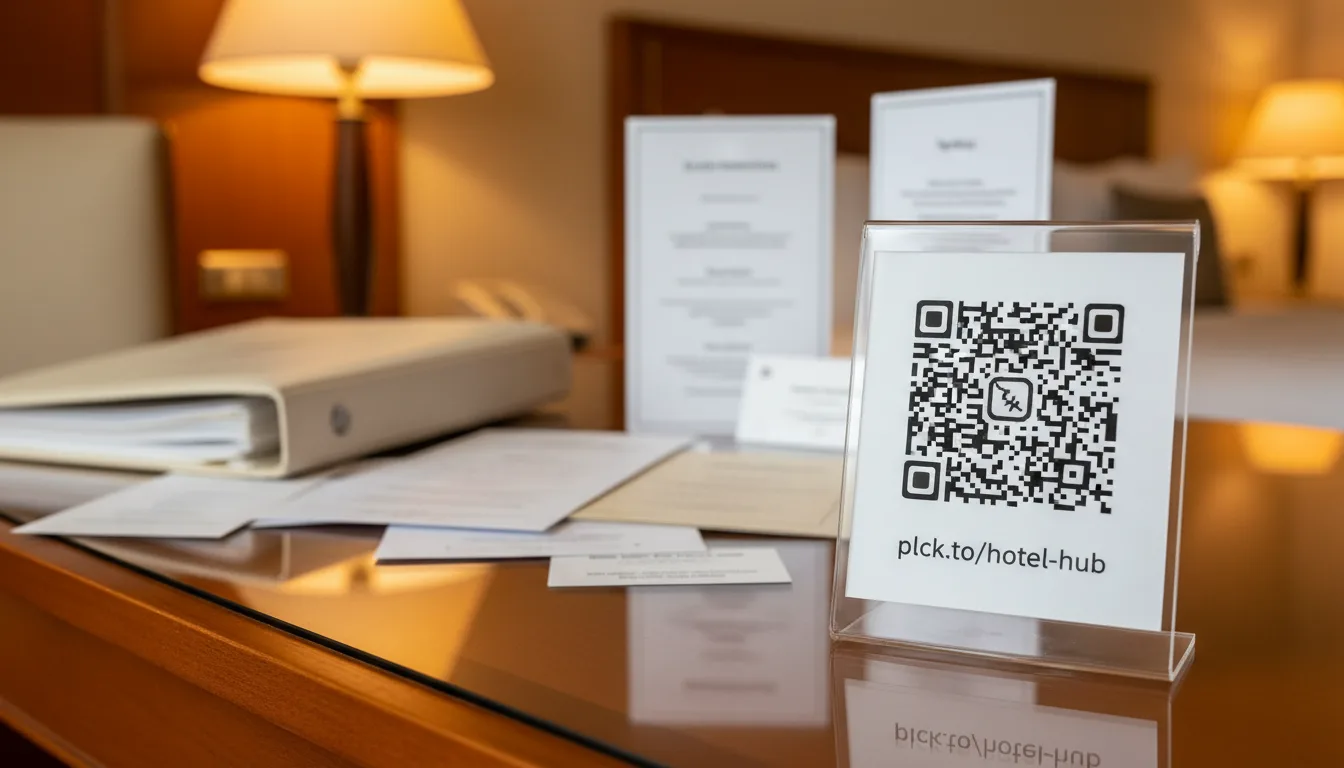
Suddenly, you're faced with a frustrating digital maze. There’s one QR code on the desk for room service, another entirely different one on the nightstand for the spa. And, oh, look – a dusty, physical binder tucked away, its contents seemingly stuck in 2019. Sound familiar? It’s a common scenario, and frankly, it’s not the luxurious, seamless experience we signed up for.
For today's savvy hospitality operator, simply delivering an exceptional *physical* experience isn't enough anymore. Not by a long shot. Guests expect their digital journey to be just as smooth, intuitive, and utterly accessible. In a world where convenience isn't just a perk but a core driver of customer satisfaction, forcing your guests to juggle multiple QR codes, meticulously type out endless URLs, or wrestle with clunky, outdated apps is a surefire way to lose revenue and rack up those dreaded negative reviews.
So, what's the secret? This is the inside scoop on how truly forward-thinking hospitality brands are tackling this "digital disconnect" head-on. They're doing it by cleverly leveraging advanced Link Management strategies and centralizing their digital touchpoints into what we call "link portals." By completely rethinking how they guide digital traffic within their beautiful physical spaces, these properties aren't just surviving; they're thriving. They're seeing record engagement, significantly boosting ancillary revenue, and, most importantly, redefining what an exceptional guest experience truly means.
"Innovation in hospitality isn't always about building a bigger pool or a fancier restaurant; often, it's about removing the friction between your guests and the amenities you already offer. It’s about making everything effortless."
The Challenge: Drowning in QR Codes and Fragmented Communication
Before we dive deep into the magic of link portals, let's first get a clear picture of what usually goes wrong. We need to dissect the breakdown of traditional digital communication in physical spaces, because understanding the problem is the first step to solving it. For this, let's take a look at "Horizon Resorts," a fictionalized blend of several real-world 400-room properties that, like many others, really struggled with their digital transition post-pandemic.
The Infamous "QR Code Pollution" Problem
Remember that frantic scramble to digitize everything during the pandemic? Horizon Resorts certainly did. They went all-in, plastering QR codes absolutely everywhere. The result? They ended up with over 15 distinct, unique URLs associated with their property. Think about it: a long, convoluted link for the breakfast menu, a separate third-party booking link just for the golf course, and an entirely different software portal dedicated solely to guest feedback. It was a digital Wild West, and guests were caught in the crossfire.
Because each of these links was separate and completely unmanaged, the marketing team found themselves in a perpetual printing nightmare. They had to create and print a different QR code for *every single amenity*. Desks, elevators, keycard sleeves – you name it, it became a canvas for a sea of little black squares. Guests, bless their hearts, quickly succumbed to what we now call "QR code fatigue," rarely knowing which code to scan for the service they actually needed. It was confusing, frustrating, and certainly not premium.
Flying Blind: The Lack of Real-Time Analytics
Beyond the utterly messy guest experience, Horizon's operational team was completely in the dark. They were effectively flying blind. Why? Because they were using raw, generic URLs generated directly by third-party software (like resort-booking-engine.com/property=123&menu=spa). This meant they had absolutely zero visibility into user behavior. They couldn't answer crucial, yet simple, questions that could dramatically improve their service:
- Are more guests scanning the desk QR code, or the one in the elevator? Where's the traffic coming from?
- What specific time of day are guests actually looking for dining options? Could we be doing more to promote specials then?
- Are all those expensive printed materials we're putting out truly driving traffic to our digital menus, or are they just decorative?
Without this critical data, optimizing anything was just a guessing game. It was inefficient and costly.
The Inflexibility of Hard-Coded Assets: A Costly Nightmare
Here's another kicker: imagine the resort's restaurant decided to change its seasonal menu. A simple update, right? Well, not so much. The underlying URL hosted by their vendor inevitably changed too. Suddenly, 400 beautifully printed acrylic signs in every guest room were pointing to a dead link. Ouch. Replacing all that physical collateral for what should have been a simple digital update didn't just cost thousands of dollars; it took weeks to deploy, creating a period of pure chaos and frustration for both guests and staff.
Physical spaces demand dynamic digital routing. Once you've printed a QR code or a short link and placed it in the real world, the digital destination it points to must remain entirely flexible and easily controllable from one central dashboard. This isn't just a nice-to-have; it's absolutely essential for operational sanity and guest satisfaction.
Solution Approach: Enter Link Portals and Smart Routing – Your Digital Concierge
So, how did Horizon Resorts, and other properties like it, escape this systemic mess? They needed a fundamental shift in perspective. They had to stop viewing links as static, unchanging destinations and start treating them as intelligent, trackable, and adaptable assets. And the game-changing solution arrived in the form of a Link Portal—essentially, a centralized, mobile-optimized micro-landing page accessed via one single, elegant, and branded short link. Think of it as your guest's personal digital concierge.
Consolidating the Digital Footprint: One Link to Rule Them All
Instead of wrestling with 15 different, confusing QR codes, Horizon Resorts completely streamlined their approach to a single point of digital entry: a beautifully designed link portal. A powerful, centralized platform like Planck.to empowers hospitality brands to build these fully customizable hubs without needing to write a single line of code. The strategy was elegantly simple: place one gorgeous, branded QR code in each room that points directly to one clean, memorable short URL. That's it.
Imagine this: an intuitive link like planck.to/horizon-hub acts as the seamless gateway. When a guest scans that single QR code or types in the easy-to-remember link, they're instantly whisked away to a sleek, branded interface. There, they find clear, accessible buttons: "In-Room Dining," "Book a Cabana," "Contact Concierge," and "Local Guide." No more hunting, no more guessing. Everything they need, right at their fingertips.
Dynamic Linking: Future-Proofing Your Print Materials
Now, here's where the real genius of a professional link management service comes into play: the implementation of dynamic links. That physical QR code adorning the bedside table? It's permanently tied to the short link. So, if the underlying restaurant menu URL changes (and let's be honest, they always do!), the marketing team simply logs in and updates the destination link behind that "In-Room Dining" button on their link portal. The physical QR code? It never needs to be reprinted. This saves enormous amounts of operational overhead, not to mention the countless headaches for staff and guests alike.
Always customize the back-half of your short links to make them incredibly human-readable and intuitive. A link like planck.to/pool-menu instantly builds trust and clearly sets expectations. Contrast that with a random string of characters like planck.to/x7B9q – the difference in user experience is night and day!
Implementation Strategy: Building the Ultimate Guest Portal, Step-by-Step
Deploying a truly successful link portal in a bustling hospitality environment isn't just about the cool technology; it's fundamentally about smart strategy. You can't just throw links at a wall and hope they stick! Here's the practical, step-by-step implementation process Horizon Resorts used to completely overhaul their guest experience, offering a blueprint you can follow too.
Step 1: Mapping the Guest Journey – What Do They Really Need?
Before even thinking about generating a single link, the resort's operations team held a crucial brainstorming session. They meticulously mapped out every single thing a guest might need or want during their stay. They categorized these needs by priority and, crucially, by location. They quickly realized that guests lounging by the pool have very different immediate needs (hello, cold drinks and fresh towels!) compared to guests relaxing in their rooms, who are often looking for dining options, spa services, or a quick chat with the front desk.
This insight led them to a smart decision: create a primary, master portal (planck.to/guest-hub) for the guest rooms, and then design specialized, smaller portals tailored for specific zones, such as the vibrant pool area (planck.to/poolside). This thoughtful approach ensures relevance and reduces friction at every touchpoint.
Step 2: Designing the Portal and Crafting Branded, Trackable Links
With the guest journey mapped, the team moved on to building their mobile-optimized micro-landing pages. They uploaded their resort's logo, carefully matched the background to their brand colors, and added large, easy-to-tap buttons for their core services. Behind each of these intuitive buttons, they weren't just putting raw, generic URLs. Oh no. They were utilizing tracked short links.
For example, the "Book Spa" button didn't just point directly to their booking software; it intelligently routed through a trackable short link like planck.to/spa-promo. This little detail is a big deal, as you'll see later when we talk about analytics! When you log into your Planck.to dashboard, you'll find it incredibly easy to set up these individual branded links and arrange them visually on your portal page, ensuring everything stays perfectly on-brand and, critically, secure.
Step 3: Deploying Targeted QR Codes with Purpose
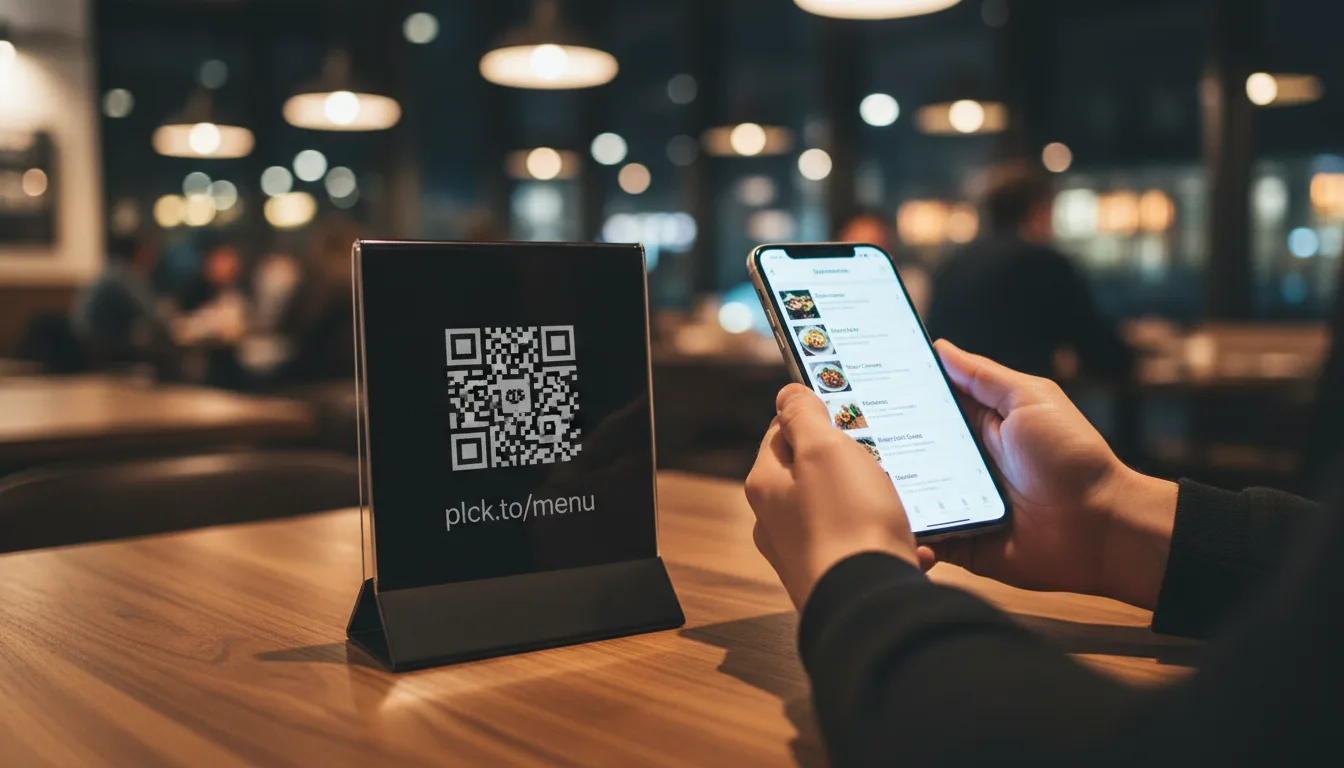
Once the digital infrastructure was robust and ready, it was time to bring it to life in the physical world. The property designed sleek, minimalist acrylic stands for every bedside table. Each stand featured just one, high-contrast QR code and a crystal-clear call-to-action: "Scan to Access All Resort Services." Simple, elegant, and effective.
Because the URL embedded within that QR code was so concise and clean, the QR code itself was less dense. What does that mean for guests? It made it incredibly fast to scan, even in those charmingly dim hotel room lighting conditions – a small but utterly critical detail that vastly improves guest convenience and reduces potential frustration.
By streamlining to a single point of entry and embracing dynamic links, Horizon Resorts celebrated an impressive 85% reduction in printing costs for their quarterly menu and collateral updates. That's not just a saving; it's a massive operational efficiency!
The Results: Quantifying Engagement and Unlocking Real ROI
The shift from a jumble of fragmented, hard-coded URLs to a unified, intelligently trackable link portal wasn't just a minor improvement; it was a revolution for Horizon Resorts. The transformation yielded immediate, measurable results across multiple departments. And here's the best part: the data they gathered wasn't just "interesting" or "nice to have"; it actively and powerfully shaped the resort's entire operational and marketing strategy.
A Revenue Boost from Ancillary Services: Less Friction, More Sales
Here's a universal truth: friction kills conversions. By making it radically easier – almost effortless, in fact – for guests to access the spa booking page or browse the late-night dining menu, the property saw a significant and immediate boost in their ancillary revenue. Spa appointments booked directly via mobile devices, for instance, soared by an incredible 32% within the very first two months! Think about it: without the hassle of needing to call the front desk or navigate a confusing website, guests were far more inclined to simply browse and impulsively purchase those tempting add-on services.
Operational Efficiency Gains: Freeing Up Your Team
The front desk staff felt the positive impact immediately. They experienced a remarkable 40% drop in calls asking basic, easily answered questions like "What time does the gym open?" or "Can I see the dinner menu?" Because the link portal was so intuitive and readily accessible, guests could now effortlessly self-serve this information instantly. This wasn't just a small win; it allowed the concierge and front desk teams to truly focus on high-value interactions and deliver personalized guest services, rather than constantly acting as a human directory. Imagine the improved staff morale!
Real-Time Insights Driving Proactive Strategy: The Data Advantage
Perhaps the most profound change came from the newfound power of analytics. For the very first time, the marketing team could actually *see* that their link portal was experiencing massive traffic spikes every day at 4:00 PM and again at 9:30 PM. This wasn't guesswork; it was hard data! Armed with this invaluable insight, they made incredibly smart, dynamic updates. At 3:30 PM, they'd proactively feature a "Happy Hour Drink Special" as the top button on the portal. Then, at 9:00 PM, they'd switch it up to highlight "Late Night Dessert Delivery." This kind of time-based optimization, directly informed by real guest behavior, resulted in an impressive 18% lift in food and beverage sales. That's the power of data in action!
Takeaways & How to Apply This to Your Property Today
Here's the exciting truth: you don't need a massive IT budget, a team of developers, or custom app development to modernize your physical space and delight your guests. Not at all. Powered by Planck.to's robust, user-friendly infrastructure, virtually any business can deploy enterprise-grade link management solutions starting today. Seriously, it's that accessible! Here’s a practical guide on how you can apply these proven innovations to your own hospitality business, starting right now.
Start Small, But Think Big (Holistically)
Don't feel pressured to digitize every single manual process overnight. That's a recipe for burnout! Instead, pick your battles. Begin with the items that guests most frequently ask about or need: your dining menus, your amenity hours, and, of course, your WiFi login details. Consolidate these into one, easy-to-access portal. Once your guests become accustomed and "trained" to go to that single, reliable place, you can gradually, seamlessly add more features like direct messaging with staff, guest feedback forms, and enticing upsell opportunities. This phased approach makes adoption smooth for everyone.
Leverage Analytics for Continuous Improvement: Your Live Focus Group
Think of your link portal not as a "set it and forget it" tool, but as a living, breathing entity that provides continuous feedback. Treat your link analytics dashboard like your very own real-time focus group! Constantly scrutinize your click-through rates. For example, if your "Local Tours" button is languishing at the bottom of the portal and getting practically no clicks, why not move it to the top for a week? Then, diligently measure the difference. This kind of data-driven iteration is absolutely key to maximizing your Return on Engagement and ensuring your portal is always serving your guests optimally.
Your Action Plan for Next Week: Let's Get Started!
Ready to jump in? Here’s a simple, actionable plan you can implement in the next seven days:
- **Audit your current physical space:** Walk through your property with fresh eyes. Count exactly how many different QR codes and various links are currently visible to a guest. You might be surprised!
- **Identify your top 5 guest requests or amenities:** What do guests most frequently ask for or use? Start there for maximum impact.
- **Create a centralized link portal:** Use a platform to build your hub and assign it a memorable, branded short link (e.g., planck.to/your-brand).
- **Replace scattered collateral:** Take down those confusing, disparate signs and replace them with one unified, elegant display featuring your new portal.
- **Monitor your analytics:** Log into your dashboard daily to truly understand guest behavior and identify opportunities for continuous improvement. The data will tell you everything!
Conclusion: The Future of Hospitality is Seamlessly Linked – Are You Ready?
The hospitality industry, at its core, thrives on anticipation. It's about giving guests what they want, often before they even consciously realize they need it. In our fast-paced digital age, this means one crucial thing: ruthlessly removing any and all friction from information retrieval and service requests. Those clunky, disjointed QR codes, those impossible-to-type URLs? They're not just inconvenient; they're relics of a bygone era. Your guests deserve better, and frankly, your bottom line does too.
By thoughtfully adopting intelligent link management and embracing the power of centralized link portals, you're not just making an upgrade; you're bridging the critical gap between physical comfort and digital convenience. You're empowering your guests to effortlessly explore your property's full array of offerings on their own terms, giving them the control and seamless experience they crave. Simultaneously, you're handing your operational teams the unprecedented flexibility and invaluable data they need to drive revenue, optimize services, and elevate the entire guest journey. It's a practical, innovative, and remarkably powerful approach that brilliantly demonstrates that sometimes the most impactful upgrades to a property don't require heavy construction or massive renovations—they just require a smarter link. So, what are you waiting for? The future of hospitality is calling.
Ready to get started?
Join thousands of users who are already using our platform to manage their links efficiently.
Create Your Free Account