2026 Link Evolution: Branded Engagement Narratives
Ready to get started?
Join thousands of users who are already using our platform to manage their links efficiently.
Create Your Free AccountThe Ghost of Links Past: A Digital Parable
Let's cast our minds back, shall we? Picture the digital landscape of the early 2020s. It felt like a wild west, a chaotic marketplace of information where millions of users were essentially navigating the web blindfolded. In that era, a "link" was, well, just a utility. It was a digital bridge often made of random characters, cryptic strings, and unreadable parameters. Honestly, it was the age of "click here" and simply crossing your fingers. Users would hover over a URL like planck.to/mysterylink, holding their breath, genuinely wondering if they were about to be transported to a valuable article or, let's be real, a security nightmare. It was a bit of a gamble every time!
Now, fast forward just a few years to 2026. The whole atmosphere has shifted dramatically. The internet isn't just a utility grid anymore; it's matured into a vibrant, narrative-driven ecosystem. We don't just click anymore; we truly engage. And get this: the humble URL has completely shed its old skin, evolving from a mere mechanism of transport into a powerful vehicle for storytelling. Welcome, my friends, to the exciting era of Branded Engagement Narratives.
This isn't just about a technical upgrade, though those are certainly part of the picture. What we're witnessing is a fundamental, almost psychological shift in how humans interact with the web. The link is no longer just your ticket to the show; it's the captivating opening scene. As we dive into the industry trends defining this incredible evolution, we absolutely must examine how successful brands are using cutting-edge link management not just to shorten character counts, but to dramatically lengthen, deepen, and enrich user engagement. It's a game-changer.
Here's the thing: in the dynamic 2026 digital economy, a link without a clear narrative is essentially a dead end. Users aren't just clicking blindly anymore. They're demanding transparency, genuine context, and a clear brand promise *before* they commit that precious click. Think of the URL as the modern web's "digital handshake" – it sets the tone and builds initial trust.
The Current State: From Brevity to Identity
To truly appreciate where we're headed, we first need to acknowledge the demise of what I like to call "Link Blindness." For years, marketers were absolutely obsessed with character counts. Remember how Twitter (now X) and SMS limitations basically forced us to compress information into tiny little boxes? The sole goal back then was simply to *fit* the message. But as bandwidth exploded and platforms evolved, brevity started losing its crown, and identity stepped up to take its place.
The Psychology of the Custom Slug: Why it Matters
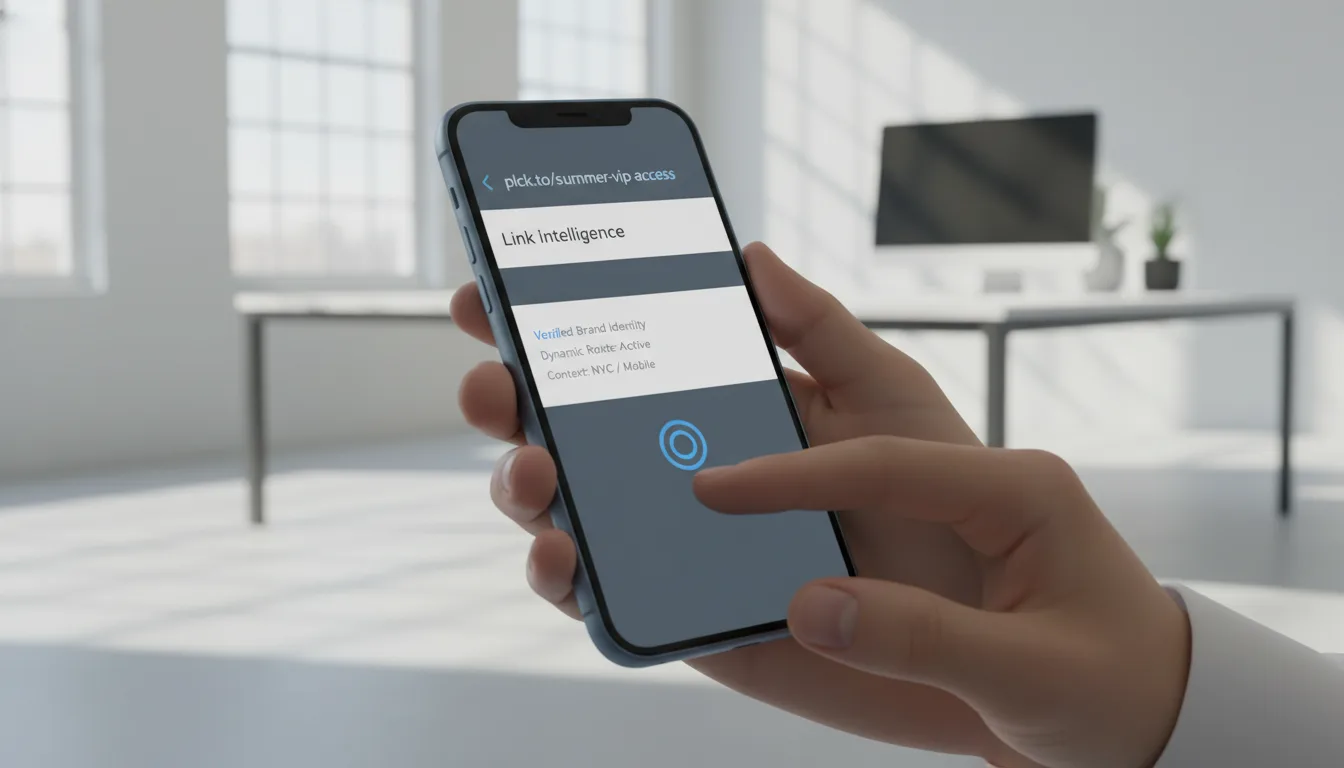
Let's walk through an example. Imagine a high-end luxury fashion house launching its much-anticipated summer collection. In the "old world," their Instagram bio link might have been a generic, forgettable string of characters. But today? That link is a meticulously crafted sentence, designed to communicate. When a savvy user spots something like planck.to/summer-vip-access, their brain processes three distinct, powerful pieces of information almost instantly:
- The Brand Promise: The custom domain, in this case, planck.to, immediately implies ownership, professionalism, and a sense of security. It says, "This is us."
- The Context: The word "Summer" gives them the crucial *what*. They know exactly what kind of content to expect.
- The Incentive: And "VIP Access"? That's the *why*. It tells them there's something exclusive, something valuable waiting for them.
This, my friends, is the cutting edge of the industry right now. The link isn't just a simple address; it's a micro-landing page that exists in the consumer's mind *before* the actual page even loads. We're seeing a massive, undeniable migration away from those generic, anonymous shorteners toward powerful branded domains that act as a seamless, integrated extension of the entire marketing funnel. It's smart, it's strategic, and it's working wonders.
"The click is undeniably the currency of the internet, but here's the truth: trust is the bank. And you simply cannot withdraw currency from a bank that doesn't exist. Branded links? They're what build that essential bank."
Trends Shaping 2026: The Living Link Revolution
As we peek over the horizon, it's clear that several powerful trends are converging, creating a brand new, elevated standard for link management. These aren't just cool new features; these are profound shifts in user behavior that smart, forward-thinking marketers are already mastering and leveraging to incredible effect.
1. Contextual Intelligence and Dynamic Routing: Smart Links
Here's the scoop: the static link, the one-size-fits-all address, is quickly becoming a relic of the past. The hottest trend for 2026 is undoubtedly the Living Link. What exactly is a Living Link? It's a truly intelligent URL that dynamically changes its destination based on a whole host of factors: who's clicking it, where they are geographically, and even what device they're using to click. How cool is that?
Let's envision this in action. Imagine a massive global software company sending out a single, simple link: planck.to/download-now.
In the traditional, old-school model, that link would have led to a generic landing page, forcing the user to manually select their region and operating system. Talk about friction! But in our exciting 2026 narrative model, the Living Link is far smarter. It instantly detects, say, an iOS device accessing from Berlin. What happens next? It seamlessly routes that user directly to the German version of the Apple App Store. At precisely the same moment, a different user in New York, clicking from a Windows desktop, is routed straight to a direct .exe download. The narrative stays fluid, personalized, and most importantly, the user never encounters a single moment of frustration or friction. That's the power of intelligent routing!
When you're mapping out your next link strategy, take a hard look at your "click waste." How many potential clicks, and ultimately conversions, are you losing because users land on a page that isn't perfectly optimized for their specific device or current location? Dynamic routing isn't just a fancy feature; it's the ultimate solution, personalizing the destination instantly for every single click.
2. Ephemeral Content Access: The Digital Key
It's a timeless truth: scarcity drives action. A rapidly accelerating trend we're observing is the smart use of time-sensitive links that actually evolve as a campaign progresses. We're talking about brands utilizing links that function less like a simple address and more like a "digital key" – unlocking different experiences at different times.
Imagine, if you will, a musician dropping a highly anticipated new album. For the initial 24 hours, the link planck.to/new-sound might cleverly direct fans to an exclusive, hidden merchandise store. Then, for the subsequent 48 hours, that *very same link* seamlessly redirects to a Spotify pre-save page, building buzz. And after launch week has concluded, it then points directly to the shiny new YouTube music video. The genius here? The URL itself remains a consistent, permanent anchor in the user's digital history, but its destination gracefully flows and adapts with the unfolding narrative of the entire campaign. It’s storytelling in real-time!
Case Studies: Narratives in Action, Real-World Wins
To truly appreciate the immense power of this evolution, let's dive into two compelling narrative scenarios that perfectly illustrate the profound shift from simple utility to engaging storytelling. These aren't just theories; these are real-world applications making a difference.
The Coffee Roaster's Journey: A Personalized Brew
Picture this: a fantastic direct-to-consumer coffee brand was really struggling with stagnant email open rates. Their links were these long, clunky, UTM-heavy strings that looked frankly suspicious, especially in SMS campaigns. They knew they needed a change, so they wisely decided to embrace a full-on branded narrative approach.
Instead of just blandly sending users directly to generic product pages, they crafted an inviting "Morning Brew" campaign. The link, sent elegantly via SMS, was beautifully simple: planck.to/your-morning-roast.
But here's where the magic, the real twist, happened: The link was completely personalized. If the customer had a history of purchasing dark roast, that link magically directed them to a "Dark Roast Brewing Guide" – complete with a tempting 10% coupon! If they were more of a light roast connoisseur, they were treated to an engaging video about the passionate farmers in Ethiopia who cultivate their favorite beans. Suddenly, the link wasn't just a transport method; it became a truly personal continuation of that customer's unique taste profile and coffee journey.
The result? Absolutely fantastic! The brand saw a whopping 42% increase in click-through rates and a solid 15% boost in customer retention. By treating the link as a personalized narrative element, this coffee brand didn't just facilitate a transaction; they truly transformed it into a meaningful, lasting relationship.
The Recruitment Pivot: Challenging the Best
Next up, let's consider a fast-growing tech startup that desperately needed to hire 50 engineers in an incredibly competitive market. Simply posting generic job board links just wasn't cutting it. They understood they needed to tell a compelling story, to truly engage potential candidates. Their solution? They skillfully utilized advanced Deep Linking strategies.
Their recruiters went out to hackathons, handing out sleek physical cards with a QR code that cleverly resolved to planck.to/challenge-accepted.
And here's the brilliant part: scanning that QR code didn't lead to a dull, generic "Careers" page. Oh no! It took candidates directly to a hidden, engaging coding challenge *within the company's own app* (if they already had it installed) or a perfectly mobile-optimized web challenge (if they didn't). This intelligent link instantly recognized the context – a physical event for developers – and immediately delivered an immersive, relevant experience. Talk about making an impression!
Future Outlook: The Invisible Interface, Links Everywhere!
As we gaze even further beyond 2026, it's clear that the humble link is poised to become even more deeply integrated into our daily, physical reality. We're rapidly heading towards a world filled with "Invisible Interfaces" – where links aren't just on screens, but all around us. It's going to be fascinating!
- Voice-Activated Links: With smart speakers and AI assistants becoming ever more dominant, having truly readable, memorable links will be absolutely crucial. Imagine saying, "Alexa, visit
planck.to/daily-news" – that's far, far easier than trying to remember and speak out a convoluted, generic string of characters. Audio-first branding will increasingly dictate how we structure our links. - Biometric Verification: In the not-so-distant future, links might even carry built-in authentication tokens. Picture this: clicking a link could seamlessly trigger a FaceID scan, instantly and securely logging the user into a sensitive dashboard without ever needing a password. The link effectively becomes your secure digital key.
- Augmented Reality Anchors: Get ready for links tethered directly to GPS coordinates! Imagine walking past your favorite coffee shop, and your device triggers a notification with a special offer link that *only* works if you're within 50 feet of the entrance. This blends the digital and physical worlds in powerful new ways.
Actionable Insights: Building Your Brand's Narrative Today
Okay, so the future sounds incredibly exciting, right? But here's the critical takeaway: you absolutely need to start acting today to prepare your brand for this monumental shift. Transitioning from those basic, utilitarian links to truly engaging, narrative-driven experiences requires a thoughtful, strategic overhaul of how you share and distribute your content across every single touchpoint.
1. Audit Your Touchpoints: Where Do Your Links Live?
Take a comprehensive look at every single place your brand currently posts a link. Be honest with yourself: are you still using generic domains? Are you inadvertently missing huge opportunities to tell a compelling story with each click? If you're launching a new product, don't just link straight to the shop page. Instead, link directly to the *experience* – show them what your product can do, the problem it solves, the joy it brings. Make it immersive!
2. Adopt a Platform with "Link Brains"
Here's a crucial piece of advice: to effectively execute dynamic routing, implement clever retargeting pixels, and master deep linking, you simply cannot rely on basic, unsophisticated URL shorteners. You need a robust, intelligent link management platform that essentially acts as your brand's command center for all things links. This is precisely where powerful tools like Planck.to become absolutely essential infrastructure. They provide you with the backend capabilities to set up intricate logic, ensuring that a seemingly simple link like planck.to/join-us can perform incredibly complex routing operations, all based on valuable user data and context.
3. Establish a Naming Convention: Speak Human
Consistency isn't just nice; it builds trust and aids memory. So, make it a priority to create a clear, intuitive "syntax" for your links – one that your audience can easily learn and recognize over time.
For example, consider adopting conventions like these:
- For specific campaigns:
planck.to/go-[campaign-name] - For support or help resources:
planck.to/help-[topic] - For social media content:
planck.to/see-[content-type]
Ultimately, the overarching goal here is to make your links perfectly readable and understandable by humans, not just machines. If a user can accurately predict where a link will take them simply by reading the slug, then congratulations – you've truly succeeded in building invaluable trust and context.
Conclusion: Your Link IS Your Story
The digital landscape of 2026 is, without a doubt, one where user attention is a scarce commodity and trust is absolutely paramount. The days of the anonymous, "mystery link" are firmly behind us. We've collectively evolved into an exciting era where the URL itself is a powerful canvas – a dynamic space for expressing your brand, a vital tool for providing clear context, and a seamless bridge for delivering truly personalized experiences.
By fully embracing Branded Engagement Narratives, you'll stop treating your links as mere logistical transport mechanisms and start, instead, treating them as the compelling introduction to your brand's unique and captivating story. Whether you achieve this through intelligent dynamic routing, exciting ephemeral access, or simply a beautifully crafted custom slug, the immense power and potential truly lie in those thoughtful, human-centric details.
The technology is already here, ready and waiting. The user expectation for a richer, more meaningful digital experience is firmly set. So, the only question that truly remains for you and your brand is: What incredible story will your very next link tell?
Ready to get started?
Join thousands of users who are already using our platform to manage their links efficiently.
Create Your Free Account