Planck.to vs. Legacy Platforms: Your Deep Links, Less Cost
Ready to get started?
Join thousands of users who are already using our platform to manage their links efficiently.
Create Your Free AccountLet’s paint a picture that probably feels all too familiar. You’re casually scrolling through your favorite social media app, minding your own business, when suddenly, a targeted ad flashes across your screen. Bingo! It’s for that exact pair of running shoes you’ve been eyeing for weeks, and hold on, they’re 30% off! Your heart does a little flutter, and without a second thought, you tap that tantalizing link.
But then, the magic evaporates. Instead of seamlessly opening the brand’s mobile app—the one you already have installed, where your payment details are saved, and where you’re perpetually logged in—you’re unceremoniously booted out to a clunky, slow mobile web browser. What’s worse? You’re staring at a generic login screen. You can’t remember your password (who can these days?). The whole experience is just... too much effort. Frustration sets in, you close the tab, and just like that, the brand loses a guaranteed sale.
Sound familiar? This infuriating scenario is the harsh reality of poor mobile routing, and believe me, it’s destroying conversion rates for countless businesses every single day. So, what’s the secret sauce? What’s the solution to this user experience nightmare? It’s all about Deep Links. Think of them as the invisible, intelligent bridges that effortlessly connect your web marketing campaigns directly to your native mobile applications, providing that smooth, "oh-so-easy" experience your users crave.
Now, here’s the kicker: when marketing teams and developers set out to implement this incredibly crucial technology, they often hit a massive, frustrating roadblock. Why? Because traditional link management platforms frequently lock these essential mobile features behind exorbitant, custom enterprise pricing tiers. It's a real head-scratcher. But don't worry, we're here to unravel it all. Today, we’re going to dive deep into a comprehensive comparison between the old, expensive, and often cumbersome way of managing links, and the modern, agile, and frankly, much smarter approach. We’ll explore exactly how you can configure flawless deep links for both iOS and Android, all while dramatically lowering your software costs. Ready to transform your mobile user journeys?
The Mobile Routing Dilemma: An Expert Overview
Before we jump into comparing the tools and solutions out there, it’s super important that we truly understand the underlying technology. We also need to grasp *why* it’s traditionally been so expensive and guarded. Let’s pull back the curtain, shall we?
So, What Exactly Are Deep Links, Anyway?
At its core, in the context of modern mobile development, Deep Links are essentially special URIs (that’s Uniform Resource Identifiers for the technically curious!) designed to route a user directly to a specific piece of content *inside* a native mobile app. The beauty of it is, they completely bypass the typical web browser experience. On Apple devices, you’ll often hear these referred to as iOS Universal Links, while on the Android side, they're known as Android App Links. Same goal, slightly different names, but both deliver that seamless in-app experience.
True deep linking ensures a flawless user journey: if someone has your app installed, clicking a link opens the app instantly to the correct screen. But what if they don't? No problem! The link gracefully "falls back" to the appropriate app store (Apple App Store or Google Play Store) or a designated mobile web page, keeping the user experience smooth and conversion-focused.
This intelligent routing isn't just magic; it’s highly dependent on a few crucial elements: accurate device detection, operating system recognition, and a seamless "handshake" between the server and the smartphone. It requires specific configuration files—like the apple-app-site-association (AASA) file for iOS and assetlinks.json for Android—to be securely hosted on your link domain. Getting these right is key, and historically, it’s been a bit of a technical tightrope walk.
The High Cost of the Status Quo: Why It's Been So Expensive
For far too long, a handful of legacy enterprise giants have held a near-monopoly on the link management space. And here’s why it became so pricey: configuring custom domains to properly host these mobile configuration files (like those AASA and assetlinks.json files we just talked about) used to be quite a technical undertaking. Recognizing this complexity, these older platforms realized they could charge a massive premium for what should be a standard service.
You want basic web redirects? Sure, that’ll be a few dollars a month. But the moment you mentioned routing users directly to your shiny new iOS app? *Boom!* Suddenly, you were forced into lengthy "Enterprise Sales" pipelines, enduring endless demo calls and eventually signing annual contracts that often ran into thousands of dollars. All just to unlock what amounts to fundamental mobile functionality. They essentially treated essential user experience tools as if they were luxury add-ons, making it a frustrating and expensive barrier for many businesses.
Detailed Comparison: Legacy Giants vs. Modern Solutions for Mobile Routing
Good news! The landscape of link management isn't stuck in the past anymore. It has shifted dramatically, opening up new, more accessible possibilities. Today, we’re going to directly compare those expensive, legacy enterprise shorteners against truly modern, agile platforms like Planck.to. Our focus will be laser-sharp on how each approach handles mobile routing and, perhaps most importantly, what that means for your precious bottom line.
1. Pricing and Enterprise Gatekeeping: Who’s Opening the Doors?
Without a doubt, the most glaring difference you’ll find in this comparison boils down to the pricing model. It's night and day, really.
- Legacy Platforms: Here's the catch – mobile routing is almost never available on self-serve, entry-level plans. To get those crucial iOS Universal Links or Android App Links working seamlessly on your custom domain, you’re typically forced to contact sales, endure multiple demo calls, and then negotiate a custom enterprise tier that can easily set you back $1,000 to $3,000+ *per year*. It’s a significant upfront investment for something that should be standard.
- Modern Solutions: Platforms built for today’s digital world get it. They understand that mobile traffic isn't some niche "add-on"—it’s often the majority of your traffic! Solutions like Planck.to are democratizing this technology, including robust deep linking capabilities at a mere fraction of the legacy cost. The best part? They’re often available in transparent, self-serve subscription tiers, so you know exactly what you’re getting without the sales song and dance.
"Paying enterprise fees just to ensure a link opens in your mobile app is like paying a luxury tax for your front door to work. It's a fundamental necessity, not a premium feature."
2. Configuration and Setup Friction: Making it Simple or Stressful?
Let's be honest: setting up Deep Links can feel technically daunting, especially if you’re not a seasoned developer. So, how do the two sides of this comparison handle the user experience for both developers and marketers? This is where modern solutions truly shine.
With older, traditional platforms, the user interface often feels, well, dated. You might find yourself navigating through cluttered menus, trying to hunt down where to input your App IDs and Team IDs. And troubleshooting? It can be an absolute nightmare. If your iOS links aren't opening the app as expected, legacy platforms rarely give you real-time, actionable feedback on whether your AASA file is properly configured. You're often left guessing and scouring documentation.
Modern alternatives, on the other hand, prioritize developer experience (DX) and user experience (UX) from the ground up. When you log into a platform like Planck.to, for instance, the workflow is streamlined, intuitive, and, dare I say, almost enjoyable. You simply input your App Store ID, your Apple Team ID, and your Android Package Name. The platform then takes care of the heavy lifting, automatically generating, securely hosting, and even validating the necessary association files on your custom short domain. No command-line troubleshooting required, no head-scratching over obscure errors. It just works, letting you focus on your campaigns, not your config files.
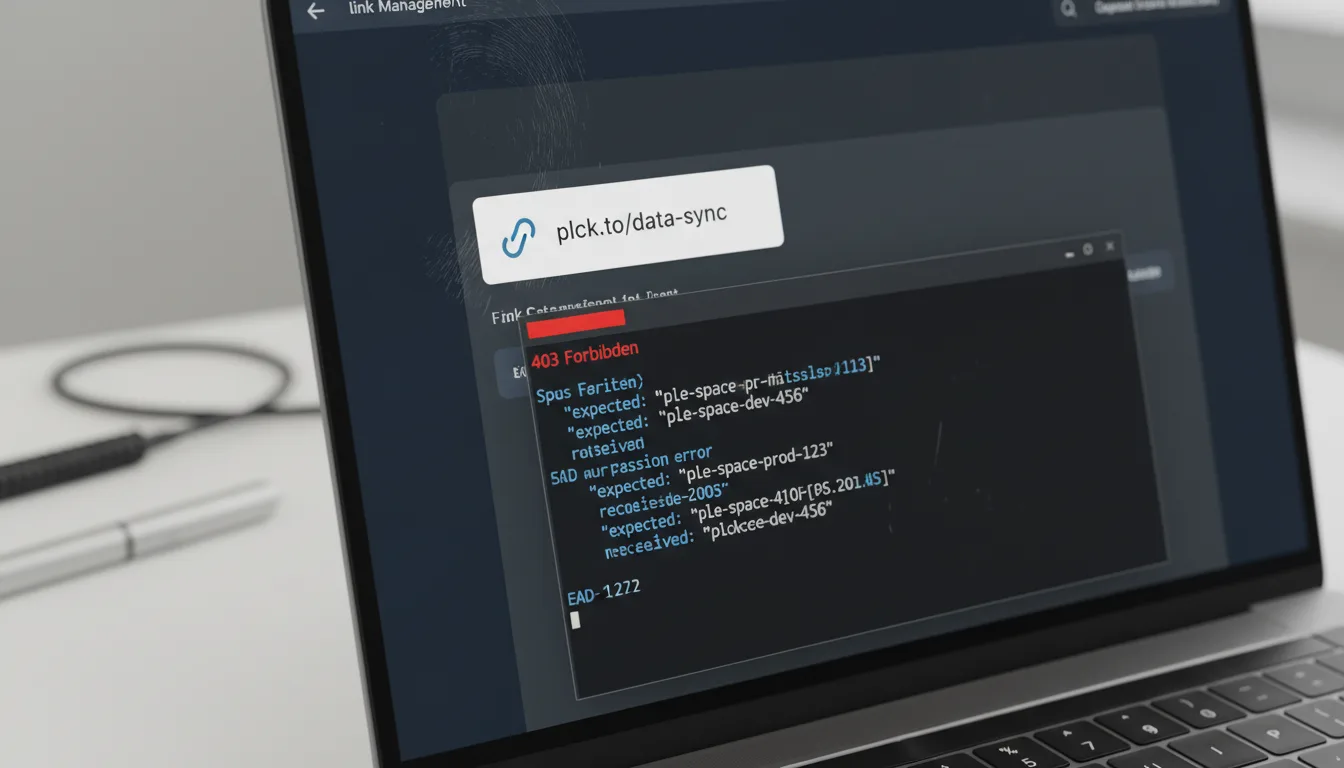
Always, always double-check your Apple Team ID and Bundle ID before configuring your links! A single typo in your configuration dashboard will break that crucial handshake between the browser and your iOS app, forcing the link to fallback to the web. It's a small detail, but it makes a huge difference!
3. Seamless Cross-Platform Fallbacks: What Happens When the App Isn't There?
This is a critical point that often gets overlooked: what exactly happens when a user clicks your link, but they *don't* have your app installed on their device? This is where intelligent routing logic truly becomes a conversion-saving hero.
Legacy platforms typically offer basic fallbacks, but setting up truly conditional logic – like "If on iOS and app not installed, send them to the App Store; if on Android and app not installed, direct them to the Play Store; and if they’re on desktop, route them to the main web store" – can be unnecessarily complex, rigid, and prone to errors. It often requires custom code or convoluted workarounds, adding to the development burden.
Modern link managers truly shine in this area by offering intuitive, rules-based routing. You get to define the exact fallback destinations for every conceivable operating system and scenario, all natively within the straightforward link creation flow. This powerful capability ensures that every single click you generate is maximized for conversion, regardless of whether the user has your app installed, what device they’re on, or which OS they're running. It’s about delivering the right experience, every time.
Pros and Cons: Evaluating Your Mobile Strategy – The Honest Truth
Let's be real: making a switch in your marketing technology stack, especially for something as fundamental as link management, is never a decision to take lightly. It impacts workflows, budgets, and potentially, your entire mobile strategy. So, to help you make an informed choice, here’s an honest, no-holds-barred look at the pros and cons of sticking with the old guard versus confidently moving to a modern link manager.
Sticking with Legacy Enterprise Platforms: The Familiar Path
The Pros: For many, familiarity is the biggest advantage here. If your large organization has been using the same enterprise shortener for a decade or more, your team probably knows the interface inside and out. There’s a comfort in the known. Additionally, some legacy giants do boast extensive out-of-the-box integrations with older, established corporate software suites, which can be a plus if you’re deeply entrenched in an ecosystem that predates modern cloud-native tools.
The Cons: The primary drawback, as we’ve discussed, is the massive, often unjustifiable cost for what are now considered basic mobile routing features. You’re simply paying too much. Beyond the price tag, you often suffer from a slower pace of innovation, clunky and outdated user interfaces that feel like they’re stuck in the early 2010s, and the frustrating reality of being locked into long-term, inflexible enterprise contracts. These platforms simply weren’t built for today’s agile, mobile-first world.
Moving to a Modern Alternative: Embracing Efficiency
The Pros: The cost savings are often immediate and truly substantial, freeing up budget for other critical marketing initiatives. Beyond that, you gain access to a cleaner, faster, and much more intuitive interface—one that’s specifically built for today's dynamic, omnichannel campaigns. Crucial features like dynamic mobile routing and robust Deep Links are no longer premium add-ons; they’re treated as standard toolsets. This empowerment allows even smaller teams to execute sophisticated, enterprise-level mobile flows without breaking the bank or requiring extensive development resources.
The Cons: Of course, no transition is without its hurdles. You will need to invest a bit of time in migrating your existing links, which could involve re-creating them or importing data (though many modern platforms offer streamlined migration tools). You’ll also need to update your custom domains to point to the new service. Finally, there may be a brief learning curve as your team adjusts to a new, albeit simpler and more efficient, dashboard and workflow. But in the grand scheme of things, these are minor bumps on the road to significantly better performance and savings.
Recommendations: Mastering Your Deep Link Implementation Like a Pro
If you've reached this point, you're likely nodding your head, ready to stop overpaying for mobile app routing and embrace a more efficient future. The good news? The transition process is often much smoother than you might initially think. Here are our top recommendations for getting started and mastering your deep link implementation.
1. Audit Your Current Link Spend: Are You Overpaying?
Before making any big moves, take a good, hard look at your current SaaS billing statements. What are you actually paying for? Are you shelling out a premium exclusively to keep your custom domain and mobile routing active with a legacy provider? If your annual bill for link management alone is in the thousands, and you’re primarily using it for these core features, then yes, it's definitely time to seriously evaluate a switch. You're likely leaving significant money on the table.
2. Map Your Mobile User Journeys: Know Where You're Going
This step is absolutely crucial and should come before you configure a single link. Take the time to document exactly where you want your users to end up, under every possible scenario. A common, highly effective flow often looks something like this:
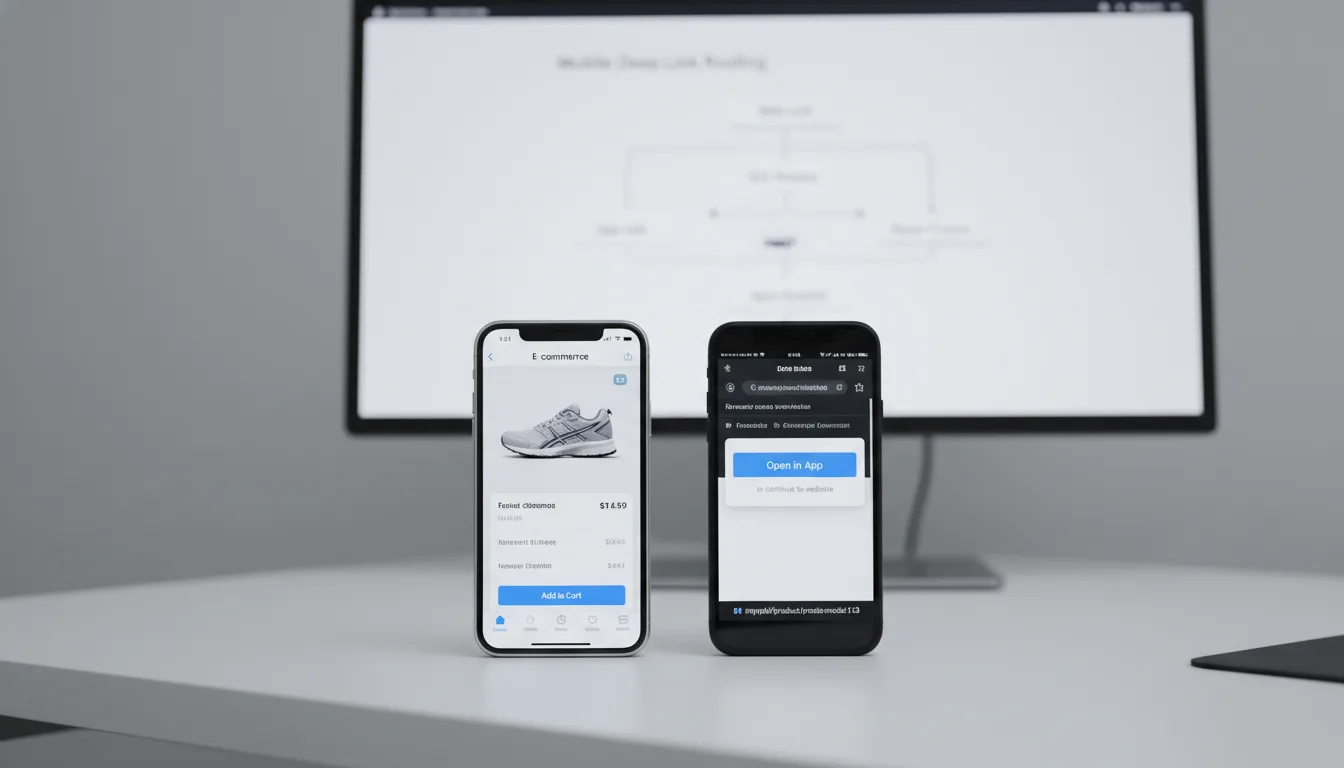
- User clicks on Mobile (App Installed): The ideal scenario! You want to deep link directly to the specific product, campaign, or content screen *inside* the app. Maximum efficiency, minimal friction.
- User clicks on Mobile (App NOT Installed): Here, you'll want to gracefully route them to a mobile-optimized web landing page. This page should prominently feature a smart banner or clear call-to-action prompting them to download your app from the relevant app store.
- User clicks on Desktop: For desktop users, the experience should route them to the standard desktop web experience. Simple, straightforward, and expected.
3. Execute the Technical Setup: Easier Than You Think!
Once you’ve chosen a modern, cost-effective platform (like Planck.to, for example) that aligns with your mapped user journeys, you’ll need to gather your app credentials. For iOS, this means having your App Store ID and your Apple Team ID ready. For Android, you’ll need your SHA-256 fingerprint and your Android Package Name. Don't worry if these sound intimidating; your development team can easily provide them. Input these into your chosen link management dashboard, and the platform will automatically generate and host your association files securely. It takes away the guesswork and complexity!
Once your configuration files are hosted on your domain, you're almost there! You can then use Apple's AASA validator tool and Google's Digital Asset Links tool to instantly verify your setup. When those tests pass with flying colors, you know your sophisticated, cross-platform links are fully configured and ready for deployment!
Real-World Examples: Deep Links in Action – Seeing the Impact
To truly grasp the immense value of moving beyond legacy platforms and embracing modern deep linking, let’s look at some practical, real-world scenarios. See how agile marketing and development teams are using cost-effective deep linking to revolutionize their daily operations and drive incredible results.
E-commerce Flash Sales: Converting Clicks into Carts
Imagine you're running a dynamic retail brand, and it's time to launch an epic weekend flash sale. You’ve got a buzzing subscriber list, so you blast out an SMS campaign. But instead of sending a raw, ugly, generic URL, you send a beautifully customized, branded short link: planck.to/flash-sale-24. Looks professional, right?
Because you've cleverly configured your Deep Links, here's what happens: loyal customers who already have your shopping app installed tap that link and are instantly, magically transported straight to the flash sale category *inside* the app. No browser, no login screen. They add items to their cart, check out with Apple Pay in a mere three seconds, and boom – sale made! Meanwhile, customers who don't have the app are intelligently routed to the mobile-optimized website to experience the sale there. The friction is completely eliminated for everyone, leading to a massive spike in mobile revenue and a truly happy customer base.
App Onboarding and Referral Programs: Fueling Viral Growth
Let's shift gears. Say you're launching a brand new fintech app, and you've got a super lucrative referral program to kick things off: "Invite a friend, get $10!" Your existing users are excited and start generating their own unique referral links to share across social media and with their networks.
By utilizing a platform like Planck.to for your programmatic link generation, every user gets a clean, trustworthy link like planck.to/invite-sarah. Now, when a friend clicks Sarah's link on their iPhone, they aren't stuck in a browser; they're routed directly to the App Store. Once they download and open the app, the "deferred deep linking" logic (which remembers the original link source) kicks in. It instantly recognizes that they came from Sarah's link and applies that delightful $10 credit directly to their new account. This seamless, almost magical user experience is exactly what drives viral app growth and fosters incredible customer loyalty. And the best part? You achieved this without ever paying those dreaded enterprise software fees.
Always, always test your shortened links across multiple devices and scenarios before launching any major campaign! Keep an old Android device and an iPhone handy, and click your planck.to links in both an installed and uninstalled app state. This simple check will verify that your crucial fallback routing logic is working exactly as intended.
Conclusion: Better Mobile Journeys Await – Take Control Today!
For too long, the gap between the web and native mobile applications felt like a frustrating, high-friction hurdle for both businesses and users. While Deep Links elegantly solved the fundamental user experience problem, legacy software giants inadvertently created a *new* problem by transforming basic, essential mobile routing into an overpriced luxury. It was a classic case of innovation being held hostage by outdated business models.
Thankfully, the industry has finally evolved. You no longer need to endure agonizing enterprise sales calls, sign restrictive multi-year contracts, or pay massive annual fees just to ensure your links open natively and flawlessly on iOS and Android. By making the smart move to modern, agile link management solutions, you gain the power to configure sophisticated, intelligent, and truly cross-platform routing logic. This not only provides a flawless, friction-free experience for your users but also significantly reduces your marketing technology overhead, freeing up valuable resources.
It’s time to take back control of your mobile user journeys. Stop paying a ridiculous premium for the status quo. Embrace efficiency, enhance your user experience, and start building smarter, faster, and more cost-effective links today. Your users (and your budget) will thank you for it!
Ready to get started?
Join thousands of users who are already using our platform to manage their links efficiently.
Create Your Free Account