Harnessing Advanced Geographic Analytics for Growth
Ready to get started?
Join thousands of users who are already using our platform to manage their links efficiently.
Create Your Free AccountIn the vast, ever-evolving world of digital marketing, simply knowing that someone clicked your link feels a bit like knowing an asteroid hit Earth, but not knowing where. It's the tip of the iceberg, sure, but the truly game-changing insights? They’re hidden beneath the surface. For far too long, many of us have looked at traffic as just a raw, homogenous number – a tick mark on a monthly report. But here’s the thing: in our hyper-connected, globalized digital economy, location isn't just a data point; it's crucial context. And context, my friends, is absolutely king.
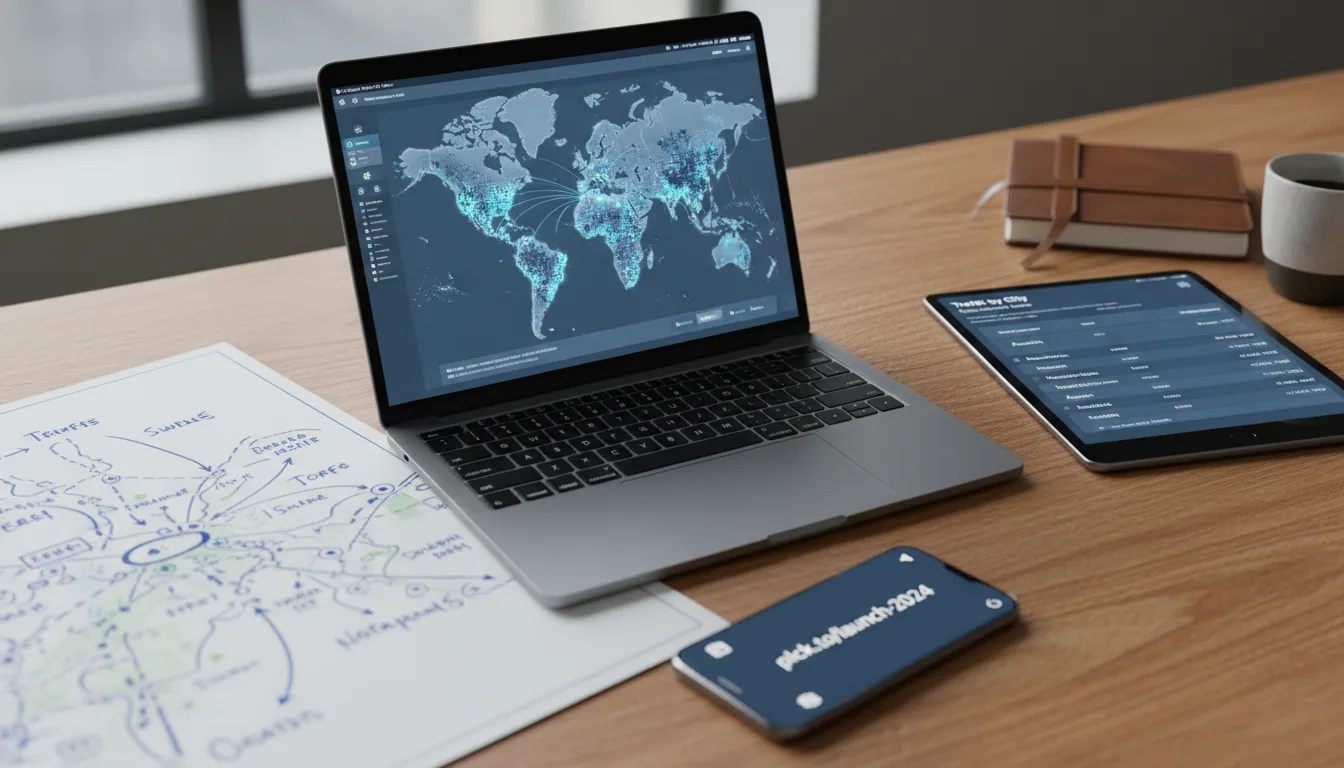
Enter Geographic Analytics. This isn't just some fancy buzzword; it's a powerful tool that savvy businesses are using to transform a simple URL interaction into a goldmine of demographic and behavioral data. Imagine being able to dissect your traffic patterns right down to the country, region, and even city level. What could you do with that? Well, you could uncover hidden markets you didn't even know existed, optimize your ad spend with surgical precision, and craft user experiences that feel personally tailored. This goes way beyond just putting pins on a map; it's about harnessing the incredible power of location intelligence to drive real, tangible growth for your business.
Ready to dive deep? This isn't your basic click-tracking guide. We're going to explore how to leverage advanced geographic data to make high-stakes business decisions, supercharge your targeting strategy, and squeeze every single ounce of value from understanding exactly where your audience is located. Let's get started!
What Exactly is Geographic Analytics, Anyway?
Alright, let’s strip it down to the basics. At its core, Geographic Analytics is the clever process of figuring out a user's physical location based on how they interact with something digital – in our case, a shortened link. Think of it like this: when someone clicks your link, say planck.to/awesome-product, the server handling that click immediately gets a request. Part of that request includes the IP address of the device doing the clicking. Before that user is whisked away to your final destination, that IP address is quickly cross-referenced against a massive global database. Voila! We've got a location.
Pretty neat, right? Now, the best link management platforms don't just stop at "somewhere on Earth." They break this incredibly valuable data down into a super-useful, three-tier hierarchy:
- Country Level: This is your bird's-eye view. It's fantastic for big-picture strategic planning, making sure you're compliant with regulations like GDPR or CCPA, and plotting out your international expansion strategy. Want to know if you should enter the European market? Start here!
- Region/State Level: Now we're getting a bit more granular. This level of data is absolutely critical for things like logistical planning (hello, shipping zones!), and running highly effective, state-specific marketing campaigns. Think about tailoring offers for California vs. Texas.
- City Level: This is the deepest dive, the most granular data point you can get. It's essential for hyper-local advertising, planning events in specific urban centers, and spotting emerging trends right in the heart of a bustling city. Imagine knowing exactly which neighborhoods are most interested in your new coffee shop!
Here's something important to remember: modern geographic analytics is designed to be passive and privacy-conscious. Unlike GPS tracking, which demands explicit user permission (and can feel a bit intrusive), IP-based geolocation provides powerful aggregate insights. It does this without compromising individual user anonymity or badgering them for app permissions. It's about spotting trends, not tracking individuals.
Peeking Under the Hood: How High-Fidelity Tracking Actually Works
Okay, so we know *what* geographic analytics is, but how does all this magic happen behind the scenes? To truly leverage this data, it helps to understand the mechanism. When you share a link like planck.to/summer-sale, and someone clicks it, the entire interaction unfolds in mere milliseconds. Faster than you can say "location intelligence!"
The Data Resolution Process: A Digital Handshake
When a click happens, your link management server acts like a super-fast digital detective. It captures what we call the "handshake" from the user's device. This handshake isn't just a friendly greeting; it's packed with crucial information, including the user agent (which tells us the device type and browser) and, critically, the IP address. Sophisticated algorithms then instantly map this IP address to a vast, constantly updated geolocation database. This is a crucial distinction: this is *not* "user-reported" location, which, let's be honest, can often be inaccurate or outright faked. IP-based tracking provides a raw, unfiltered, and highly reliable view of exactly where your traffic is originating from. It's the digital equivalent of seeing a car's license plate and knowing its home state, without having to ask the driver.
Overcoming the VPN Challenge: What About Privacy Tools?
Now, in the advanced realm of analytics, a common question pops up: what about VPNs (Virtual Private Networks)? These tools are designed to mask a user's true location, and yes, they can indeed obscure the exact physical origin. However, even this presents a valuable data point! If your analytics dashboard suddenly shows a high concentration of data center IP addresses (which are frequently used by VPNs), that's an insight in itself. It might indicate a particularly privacy-focused segment of your audience, or, in some cases, it could even be a signal of bot traffic attempting to bypass detection. Advanced geographic reports are smart enough to help you distinguish between genuine residential traffic—real people clicking from their homes or offices—and proxied connections, giving you a clearer picture of your audience's intent and behavior. It's all about interpreting the signals, even the tricky ones.
Strategic Superpowers: The Real Benefits of Location Intelligence
So, you might be wondering, "Why should I even care if a click comes from London, UK, or London, Ontario?" It's a fair question! But trust me, the implications for your return on investment (ROI) and overall operational efficiency are absolutely massive. Let's break down some of the key strategic benefits you'll unlock.
1. Budget Optimization and Ad Waste Reduction: Stop Burning Money!
Imagine you're running a slick global PPC (Pay-Per-Click) campaign, but your fantastic product only ships to North America. If you're getting clicks from Southeast Asia, guess what? That's wasted ad budget. Plain and simple. Geographic analytics acts as your personal financial auditor, allowing you to meticulously examine your traffic sources. If you spot a significant organic volume from a region you currently don't service, you've got a couple of clear choices: either block that region in your ad settings to instantly save money (and feel like a genius), or—and this is where it gets exciting—you could use that data to build a compelling business case to expand your operations there. It’s all about making every dollar work harder.
2. Content Localization and Cultural Resonance: Speaking Their Language (Literally!)
Have you ever noticed high click-through rates (CTR) in a particular country, but then conversion rates plummet? That's often a screaming signal of a localization failure. Maybe your pricing isn't displayed in the local currency, or the language on your landing page is off, or perhaps even the imagery doesn't quite resonate culturally. By correlating your precise location data with your conversion metrics, you can pinpoint exactly where you need to deploy translated content, create region-specific landing pages, or even adjust your product offerings. It's about making your audience feel truly seen and understood, no matter where they are.
"You cannot optimize what you cannot map. Geographic analytics transforms the world from a vague 'audience' into actionable territories you can truly understand and conquer."
3. Fraud Detection and Security: Your Digital Watchdog
In the darker corners of the internet, unwelcome visitors can lurk. Sudden, inexplicable spikes in traffic from regions completely irrelevant to your business can be an early, crucial warning sign of click fraud or insidious bot attacks. Think of a small, local bakery in Chicago suddenly receiving 5,000 clicks from a server farm on a different continent. Without geographic analytics, you might just see "5,000 clicks" and think it's a win. With it, the anomaly is flagged immediately, allowing you to filter that data out of your reporting, maintain accuracy, and protect your budget and reputation. It's your digital security guard, always on patrol.
Real-World Wisdom: Practical Application Scenarios
Enough theory! Let’s look at how businesses just like yours are using geographic intelligence to make smarter moves and win big. These aren't just hypothetical examples; they're the kinds of insights you can uncover every single day.
Scenario A: The E-Commerce Expansion That Blew Expectations
Picture this: a specialty coffee roaster, based out of bustling Seattle, decides to promote their latest artisan blend using the link planck.to/new-roast across their social media channels. Naturally, they assume their primary market is the Pacific Northwest. But then, their geographic analytics dashboard lights up with a surprising insight: a significantly high density of clicks is pouring in from Austin, Texas, and Nashville, Tennessee—cities they hadn't even considered!
The Action: Instead of blindly guessing where to expand next or sinking money into generic national campaigns, the data literally dictates their strategy. The company pivots, launching highly targeted ad campaigns specifically aimed at coffee lovers in Austin and Nashville. They offer a special "First Time Buyer" discount code unique to these regions. The result? A whopping 20% higher conversion rate than their previous, less focused national efforts. That’s the power of letting your audience show you the way!
Scenario B: The Event Tour That Almost Missed Its Hottest Stop
Here’s another one: A growing software company is planning an exciting roadshow to meet potential clients and demo their latest features. They send out a compelling newsletter with the call-to-action link planck.to/meet-us, eager to track engagement. Initially, their plan included stops in major tech hubs like New York and San Francisco.
The Action: As they monitor their click analytics, a fascinating pattern emerges. While New York and San Francisco are showing good interest, a significant 15% of their total engagement is actually coming from Denver—a city that wasn’t even on their radar! Armed with this irrefutable data, the company makes a smart pivot. They adjust their schedule to include a Denver stop, ensuring they'll walk into a packed room full of genuinely interested prospects, rather than gambling on a less engaged city and risking an empty venue. Talk about maximizing impact!
Rolling Up Your Sleeves: Getting Started with Geographic Data
By now, you're probably eager to get your hands on this kind of powerful data. The good news is, accessing these insights doesn't require a team of data scientists or a six-figure budget. What you *do* need is a robust link management platform capable of processing and visualizing all this fantastic geographic data in real-time. Tools like Planck.to have truly democratized access to what was once enterprise-level geographic intelligence, making it readily available and incredibly easy to use for businesses of all shapes and sizes. You don't need to be a global corporation to think globally and act locally!
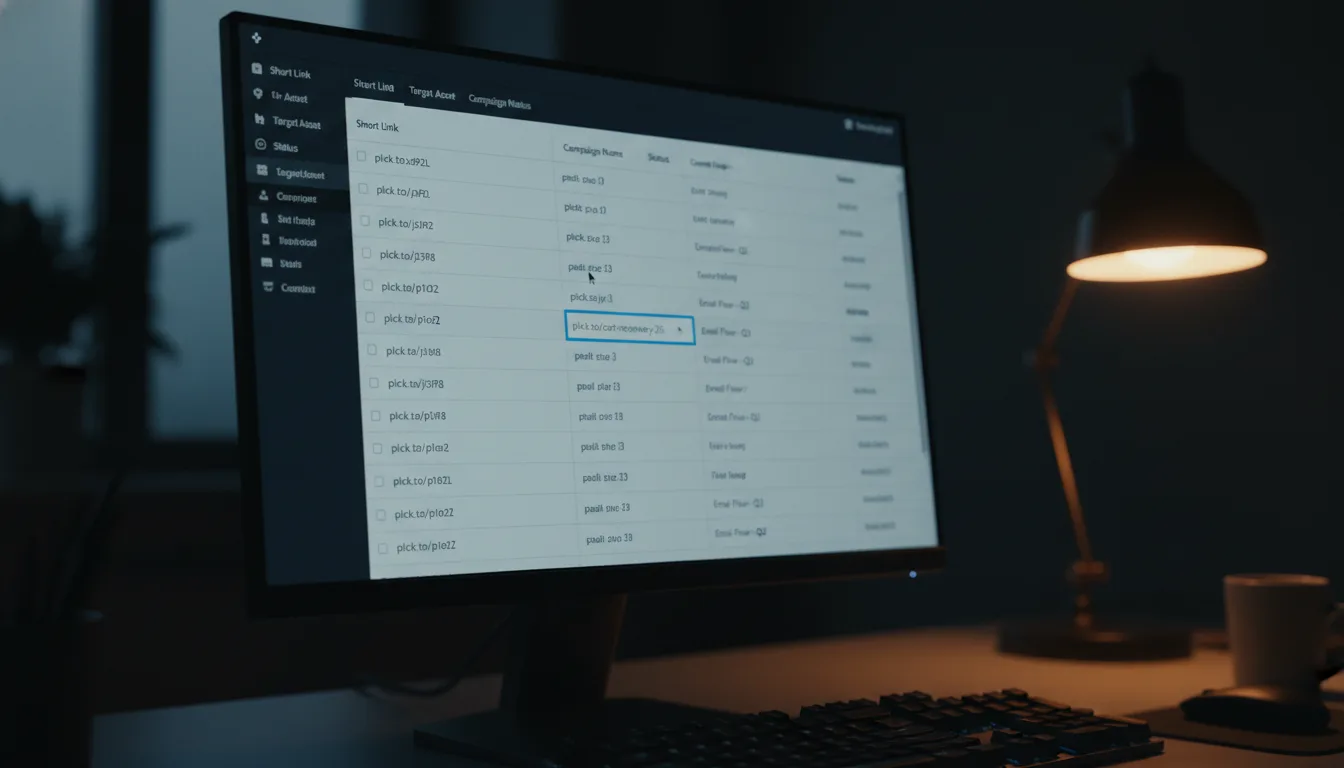
The best part? To start tracking immediately, you don't need complex pixels, JavaScript snippets, or a coding degree. Simply shorten your destination URL using a platform like Planck.to, and the tracking is automatic and built right in. Once your newly created branded link (like planck.to/my-campaign) is live and in the wild, the data begins populating your dashboard instantly. It's truly set-it-and-forget-it tracking, with powerful insights waiting for you.
Ready to put this into action? Here’s a simple step-by-step guide to kickstart your journey with geographic data:
- Create Your Asset: First, pinpoint the specific landing page, product page, or piece of content you want to distribute and track. This is your destination.
- Shorten Your Link: Head over to Planck.to and create a custom, branded short link. Something memorable like planck.to/launch-2024 is perfect.
- Distribute Far & Wide: Share that beautiful new link across all your marketing channels – email campaigns, social media posts, SMS messages, even print materials!
- Monitor the Map: After giving it about 24-48 hours for traffic to roll in, log into your analytics dashboard. Look for the "Geographic" or "Location" tab. Prepare to be amazed by what you see.
- Drill Down for Gold: Don't just glance at the top countries list. Click into those top-performing nations and start exploring! View the specific regions, states, and even cities that are driving that incredible traffic. This is where the truly actionable insights lie.
Beyond the Basics: Advanced Tips for Deep Insights
So, you've got the data flowing, and you're seeing those clicks light up your world map. Fantastic! But here's where we move from good to great. Once you're comfortable with the basics, it's time to apply some advanced analysis techniques. Let's explore how expert marketers use geographic data to truly gain a competitive edge and unlock hidden opportunities.
The "Follow-the-Sun" Posting Strategy: Never Miss an Engagement Window
Time zones are often the silent killer of engagement. You're based in New York, you hit "post" at 10 AM EST, and you think you're golden. But if your geographic analytics are showing a massive cluster of clicks coming from London and Berlin, you've likely posted too late in their day, missing peak engagement hours. Your content might be brilliant, but if no one sees it when they're active, what's the point?
The Technique: Use your geographic data to segment your audience by time zone. If you've got significant traffic from three distinct zones (e.g., APAC, EMEA, and the Americas), you absolutely should be scheduling your social media posts to hit the "morning commute" or "lunch break" windows for *each* of those regions. Stop blasting one post at a time that only truly works for one region. Tailor your timing, and watch your engagement soar. It's like having your message arrive exactly when your audience is ready to hear it.
Cross-Referencing Device Data with Location: A Powerful Combo
Location data is powerful on its own, but it becomes exponentially more potent when you combine it with device analytics. This gives you a holistic view of your audience's behavior, wherever they are.
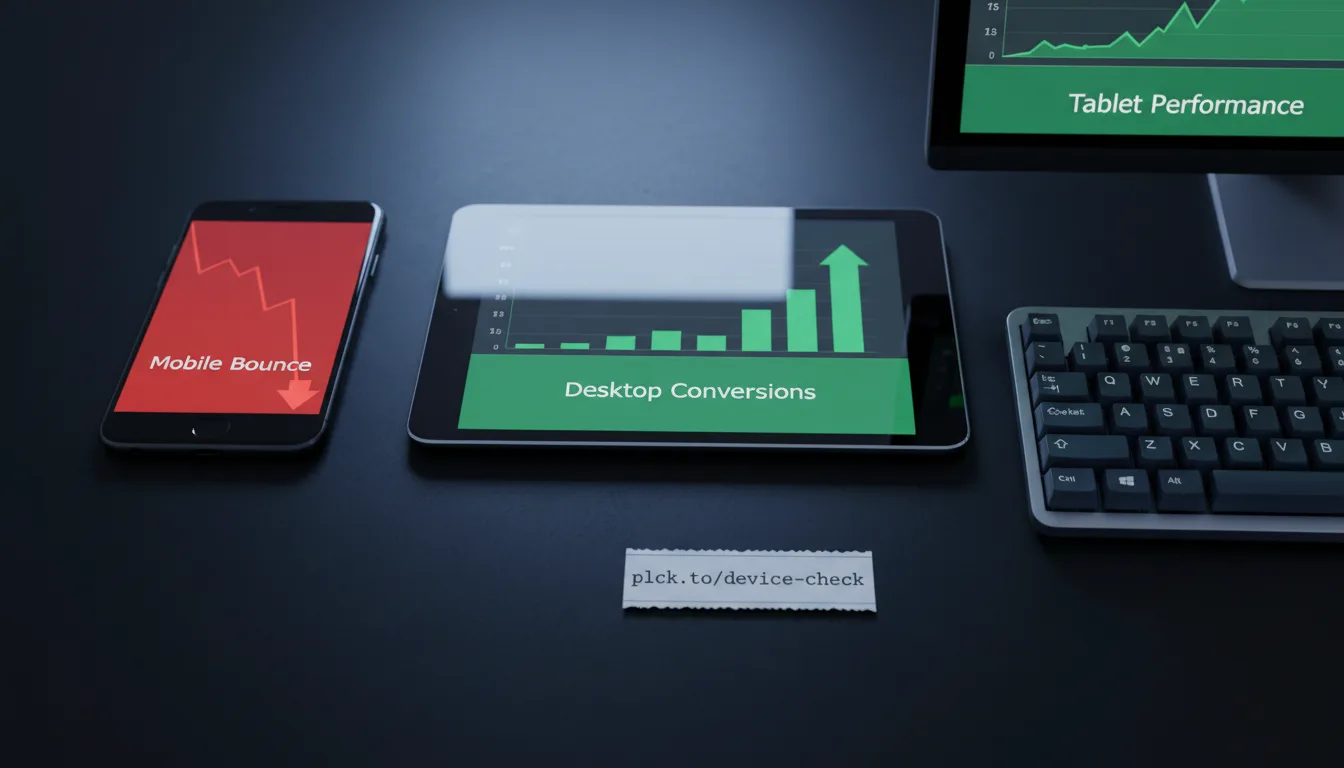
Dive deep and look for fascinating discrepancies in device usage by region. You might uncover that your traffic originating from Japan is 90% mobile (predominantly iOS, for example), while your audience in Germany has a much higher percentage of desktop users. This seemingly small insight is huge! It should dictate your entire design strategy: your landing pages targeting Japan *must* be hyper mobile-first and incredibly lightweight, optimized for speed. Conversely, you can afford to incorporate richer, heavier media or more complex interactive elements for your German desktop audience. Design for where they are, and how they connect.
Identifying "Dark Markets": Uncovering Accidental Goldmines
Sometimes, the most valuable insights aren't the ones you're actively looking for, but the ones that surprise you. This is the concept of a "Dark Market" – a region where you have absolutely zero marketing spend or intentional focus, yet you're seeing unexpectedly high engagement. How does this happen? Often, it's because an influential figure or a niche community in that region discovered your product or link organically, and it's gone quietly viral.
Make it a habit to regularly audit your bottom 50% of countries or regions in your analytics. If a country you rarely think about suddenly climbs into your top 10 for clicks, investigate immediately! Search social media for your brand name in that region's local language. You might just stumble upon a viral thread, a passionate influencer, or a dedicated community that's singing your praises. This is your cue to officially partner with them, amplify their voice, and accelerate your growth in an entirely new, incredibly receptive market. It's like finding treasure where you least expected it!
Regional A/B Testing: Personalizing Your Message for Maximum Impact
Advanced users don't just send everyone to the same generic destination. They understand that different regions often have different priorities, values, and even purchasing triggers. By employing device or location-based routing (a sophisticated feature available in some enterprise setups or achievable by simply using distinct links for different segments), you can powerfully A/B test different value propositions. This means tailoring your message to resonate specifically with where your audience lives.
For instance, imagine you want to test two different marketing angles. You could create two distinct campaigns with unique links:
1. planck.to/offer-east (specifically targeting your audience on the East Coast of the US)
2. planck.to/offer-west (tailored for your West Coast US audience)
If you discover that your West Coast audience responds significantly better to "Eco-friendly" messaging, while your East Coast audience converts more readily with offers highlighting "Fast Shipping," you've just successfully segmented your psychographics based purely on geographics. This level of personalization isn't just a nice-to-have; it's a direct route to higher conversions and deeper customer loyalty.
Conclusion: Your Map to Digital Domination
At the end of the day, geographic analytics isn't just another shiny metric; it's a fundamental shift in how we understand our digital world. It transforms the abstract, often overwhelming concept of "internet traffic" into a truly tangible, actionable map of human behavior. It brilliantly bridges the gap between raw digital metrics and real-world logistics, empowering businesses like yours to operate with an expansive global mindset, but with the unparalleled precision of local insight. It’s like having a GPS for your entire marketing strategy.
Whether you're harnessing the power of Planck.to to meticulously track the success of a new product launch, meticulously analyzing regional trends to inform your next physical store location, or even just trying to understand where your most passionate fans are hiding, the data is there, waiting to be utilized. And trust me, the businesses that truly win in the next decade won't just be the ones with the most clicks. They'll be the ones who know *exactly* where those clicks are coming from, and possess the agility and insight to meet their audience there, with the right message, at the right time.
So, what's your next step? Open your analytics dashboard today. Take a moment to look beyond the impressive total click count. Dive into that map, identify just one unexpected city or region that pops out at you, and ask yourself a simple, yet profound question: "Why are they here, and how can I serve them even better?" That, my friends, is where true growth begins.
Ready to get started?
Join thousands of users who are already using our platform to manage their links efficiently.
Create Your Free Account