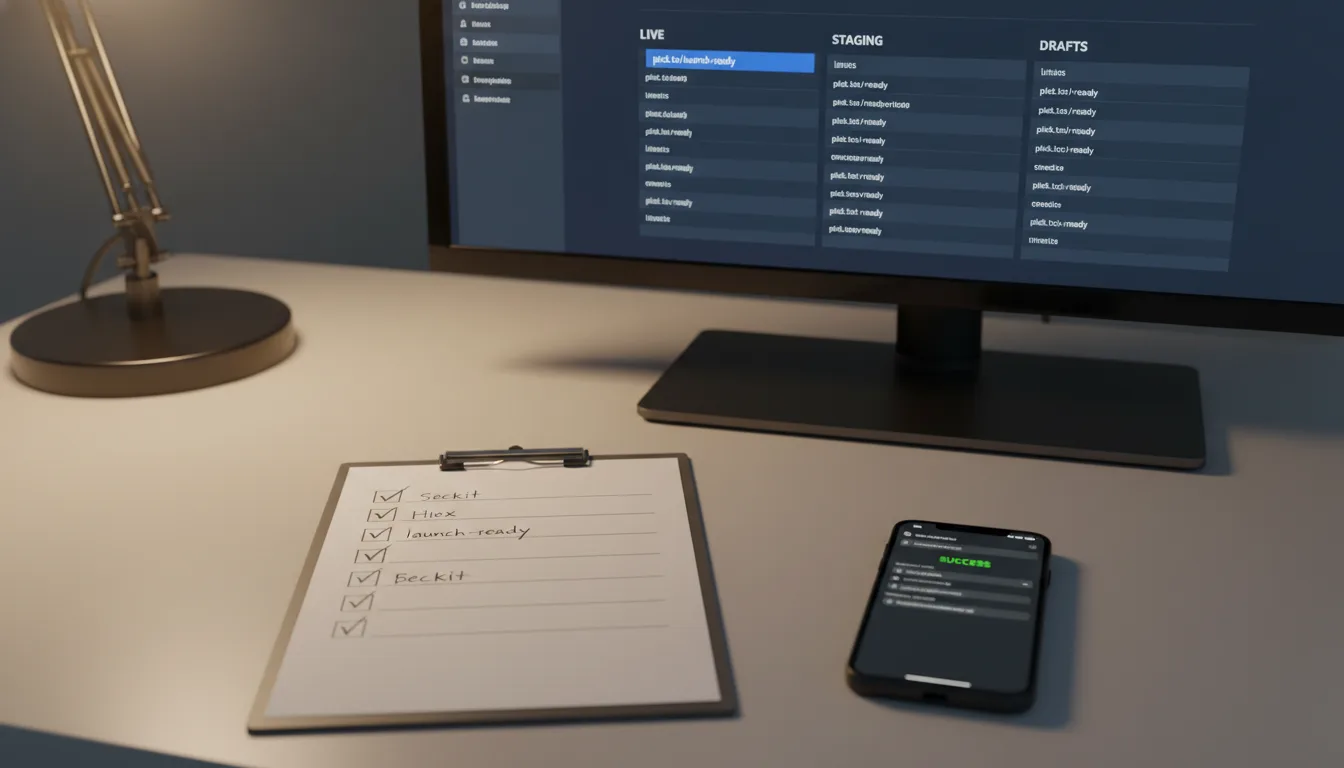
Transform Your Links: A Planck Migration Story
Ready to get started?
Join thousands of users who are already using our platform to manage their links efficiently.
Create Your Free AccountThe Breaking Point: A Sea of Anonymous Links
Picture this: It's 3:00 AM on a Thursday, and Sarah, the Lead Digital Marketer for a rapidly growing e-commerce brand, is locked in a silent staring contest with a spreadsheet. The file name? "Master_Links_v4_FINAL_really.xlsx". You know, one of *those* spreadsheets. The launch of their biggest summer campaign was mere hours away, and a cold sweat was definitely forming on her forehead. Why the panic? Somewhere in that digital labyrinth, buried among over four thousand randomly generated short links, was the exact, elusive URL needed for their flagship influencer campaign. Just thinking about it gives me a stress headache!
"I had created five different links that day, and honestly, they were all just random strings of characters. None of them had custom titles. None of them had descriptions. They all looked identical. I was literally clicking each one to see where it went, my heart pounding, just praying I wouldn't accidentally send our million-follower influencer to the wrong destination. It was a total nightmare."
Sarah, bless her heart, eventually found the right link. But the sheer panic of that night wasn't just a fleeting moment; it was a catalyst. It forced a profound realization: treating links as disposable, temporary shortcuts was a ticking time bomb, a recipe for inevitable disaster. Her team wasn't merely managing links; they were, in essence, curating invaluable digital assets. And at that exact moment, their asset library was nothing short of a chaotic, unsearchable wasteland.
This, my friends, isn't just a story about links. It's the story of a migration. Not a grand migration of servers or complex databases, but a much more fundamental shift: a migration from absolute chaos to crystal-clear clarity. It’s a compelling narrative about how transitioning to a structured, meticulously organized link management system didn't just streamline one small process; it completely transformed an entire marketing department's workflow, rescuing them from those 3 AM link-hunting horrors.
What Exactly is Link Organization (and Why You Really Need It)
Before we dive headfirst into the nitty-gritty mechanics of how Sarah's team pulled off this amazing transformation, let's first get on the same page about what we're actually talking about here. What are we migrating *to*? At its core, Link Organization is the strategic, intentional practice of structuring, naming, and categorizing your shortened URLs in such a way that they can be effortlessly identified, easily searched, and thoroughly managed by anyone on your team, at any given moment. Think of it as bringing order to the wild west of your digital real estate.
Moving Beyond the Random String of Characters
Here's the thing: when most folks shorten a URL, what do they usually do? They simply accept whatever random alphanumeric characters the system happens to spit out. For a quick, one-off text message to a friend about dinner plans, sure, this is perfectly fine. No harm, no foul. But for a bustling business, one that's juggling multiple email campaigns, massive SMS outreach, dynamic social media profiles, and complex affiliate marketing programs? Friends, I'm here to tell you, this approach isn't just inefficient; it's absolutely catastrophic. You're building your entire digital presence on a foundation of quicksand!
Link organization isn't just about making a URL shorter; it's about making it smarter. It transforms a "dumb" redirect into a powerful digital asset, fully equipped with invaluable metadata. By adding custom titles, rich, detailed descriptions, and user-friendly, readable custom aliases, your links evolve. They become integral components of a fully searchable, historical database, a true repository of your marketing efforts.
The Anatomy of a Truly Organized Link
In a properly structured and thoughtfully organized system, a link isn't just a simple destination. Oh no, it's so much more! It becomes a comprehensive package of information. Every single link should contain:
- A Custom Title that immediately clarifies the campaign, its purpose, or its placement. No more guesswork! (For example, imagine "Summer Sale 2024 - Instagram Bio" instead of "link_123").
- A Rich Description that offers detailed context, specifying the intended audience, the precise deployment date, and any associated UTM parameters. This is where you put all the 'why' and 'how'.
- A Custom Back-half (or Alias) that replaces those unmemorable, random characters with branded, readable, and often keyword-rich text. Think planck.to/summer-sale instead of planck.to/x8f9L2q.
How the Migration Worked: From Chaos to a Crystal-Clear Structure
When Sarah’s team finally decided to tackle their overflowing, disorganized link infrastructure, they didn't just dive in blindly, haphazardly renaming links. That would have been another kind of chaos! A truly successful migration, especially one of this magnitude, demands a carefully thought-out blueprint. It requires a methodical approach, not just good intentions. Let me walk you through exactly how they orchestrated this impressive move to a fully organized, highly efficient link ecosystem.
Step 1: The Great Link Audit
Here’s a fundamental truth: you simply cannot organize what you don't fully understand. So, the very first, critical step of their migration involved exporting their entire, sprawling, chaotic link history into one single, comprehensive document. This allowed them to see the full scope of their problem. From there, they meticulously categorized every single link into three distinct, manageable buckets: actively running campaigns, crucial evergreen links (like those permanently tucked away in social media bios or website footers), and, importantly, the dead or expired links that were just cluttering up their digital space. This initial audit was a game-changer; it was like shining a flashlight into a dark, dusty attic.
Step 2: Establishing a Naming Convention – Your North Star
Before even thinking about creating a single new link, Sarah’s team sat down and established a strict, non-negotiable nomenclature rule for custom titles. This wasn't just a suggestion; it was a mandate. They collectively agreed on a standardized format that everyone would follow: [Platform] - [Campaign Name] - [Date/Year]. This might seem like a small detail, but it's foundational. Imagine the time saved when everyone knows exactly how to label a link!
When it comes to naming conventions, remember that consistency trumps the specific format you choose. It's far more important that everyone follows *a* rule than that the rule itself is ultra-complex. Document your chosen naming convention clearly within your team's standard operating procedures (SOPs). This way, every new hire will know exactly how to title a link from day one, eliminating future confusion.
Step 3: Utilizing Descriptions for Deep Context – The "Why" Behind the Link
While titles are fantastic for quick scanning and immediate identification, descriptions are where the real deep context lives. During the migration process, the team began diligently using the description field to paste the full, sometimes incredibly long and parameter-laden, original URL (complete with all those crucial UTM parameters). They also added vital notes about who requested the link, its specific purpose, and any other relevant details. This simple practice was revolutionary. Now, if an analyst six months down the line needed to understand why a specific link existed or what it was tracking, the answer wasn't a scavenger hunt; it was right there, neatly tucked away in the metadata.
The Tangible Benefits: Why Link Organization is a Game-Changer
The entire migration process, for Sarah's team, involved a dedicated weekend of focused effort. It was a sprint, for sure. But here's the best part: the return on that investment was almost instantaneous. You see, structuring links with custom titles and detailed descriptions isn't just about tidiness; it provides compounding benefits that positively impact marketing teams in ways you might not initially expect.
Instant Searchability: No More Hide-and-Seek!
Think back to the "before" scenario: finding a specific link meant manually clicking through endless rows of data, often playing a frustrating game of digital hide-and-seek. It was a colossal waste of time and mental energy. After the migration, however, everything changed. If Sarah needed the SMS promo link for the Winter Clearance campaign, she simply typed "Winter Clearance SMS" into her dashboard's search bar. Voila! The metadata indexing brought it up in milliseconds. Imagine the collective sigh of relief from the entire team!
Elimination of Duplicate Work: One Link to Rule Them All
Without a properly organized system, a common problem emerges: team members frequently create new short links simply because they can't easily find the existing ones. Sound familiar? This seemingly innocuous act has significant repercussions. It fractures your analytics, splitting valuable click data across three or four different links that all point to the exact same destination. This makes reporting a nightmare and decision-making fuzzy. An organized link library, on the other hand, ensures a single source of truth for every destination, consolidating all data and making your analysis crystal clear.
Within just the first month of implementing mandatory link titles and descriptions, Sarah's team witnessed an astounding 40% reduction in duplicate link creation! This led directly to much cleaner, consolidated click data, making their performance reports far more accurate and actionable. Talk about a quick win!
Before and After: A Link Transformation Story You Can See
Sometimes, the best way to truly grasp the profound power of this kind of migration is to see it in action. So, let’s take a look at a practical, real-world example of how a seemingly simple link was completely transformed during this organizational process. The difference is stark, and it speaks volumes.
The "Before" Scenario: A Digital Dead End
An email marketer on Sarah's team needed a link for a crucial cart abandonment email flow. Following their old, disorganized habits, they quickly generated a link that looked like this:
- URL: planck.to/x8f9L2q
- Title: (None)
- Description: (None)
Fast forward two months. You can probably guess what happened. Absolutely no one knew what planck.to/x8f9L2q actually *did*. Was it for the homepage? Was it a special discount code? A specific product page? The only way, the *only* way, to find out was to nervously click it and hope for the best. This is the definition of a liability.
The "After" Scenario: A Fully Documented Asset
Now, let's fast forward again, but this time, imagine the same scenario *after* the team implemented their new organizational guidelines. The exact same destination URL, for the exact same cart abandonment flow, was processed completely differently:
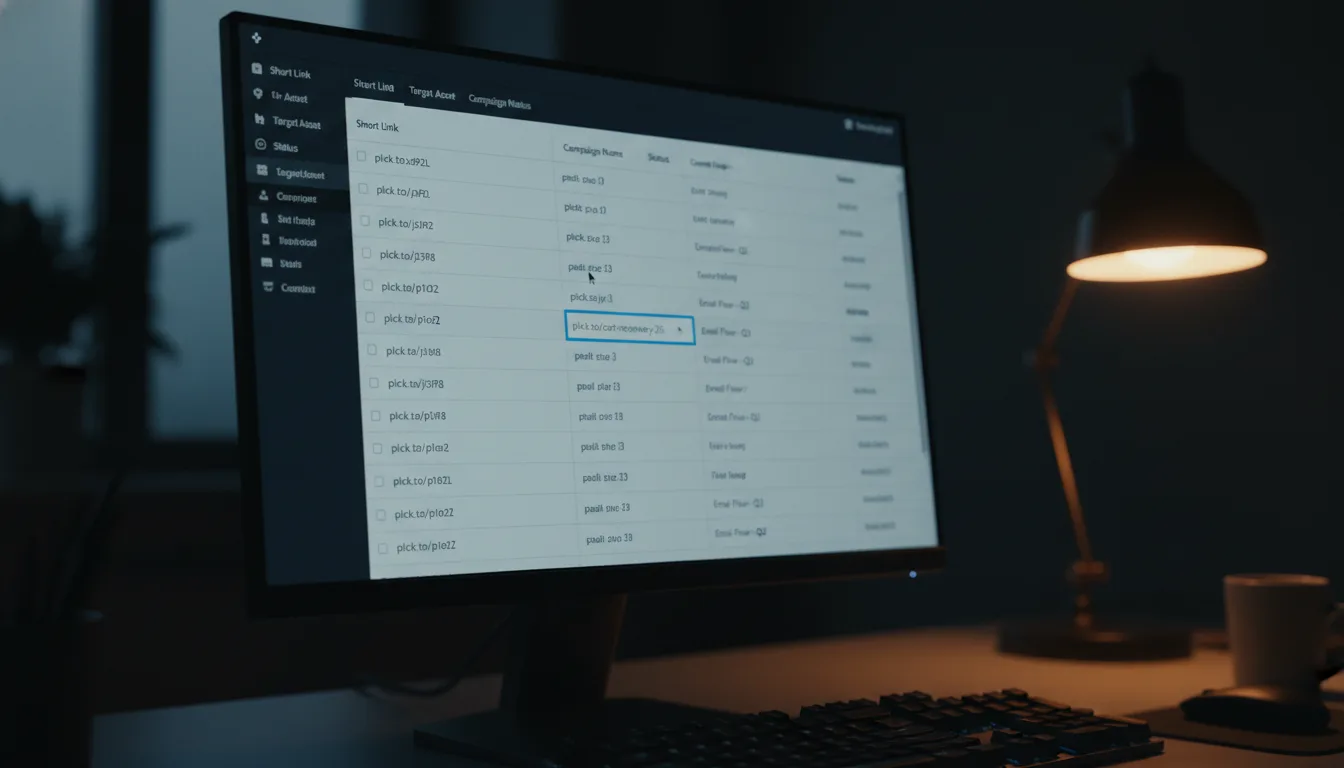
- URL: planck.to/cart-recovery-20
- Title: Email Flow - Cart Abandonment 20% Off - Q3
- Description: Triggers on 2nd day of cart abandonment flow. Destination includes UTM_campaign=cart_recovery and auto-applies the SAVE20 discount code at checkout. Requested by Email Marketing Team.
See the difference? It's truly night and day! This link has been utterly transformed. It's no longer a mysterious, anxiety-inducing liability. Instead, it's a clear, concise, and fully documented digital asset, providing all the crucial context anyone would ever need, instantly.
Getting Started: Your Own Link Migration Guide
You might be thinking, "This sounds great, but my team isn't a massive enterprise!" And that's totally okay. You absolutely don't need an army of marketers to benefit from solid link organization. Whether you're currently wrestling with a messy spreadsheet, struggling with a legacy system, or just starting out and want to build good habits, taking control of your links is incredibly accessible. The best part? It's especially straightforward when you leverage a modern, intuitive platform designed for this very purpose, like Planck.to.
Phase 1: Define Your Structure – The Foundation
Your first step is crucial: sit down with your core team, or even just yourself if you're a solopreneur, and collaboratively decide on your metadata rules. What essential information *must* every link title contain? What specific details are absolutely mandatory for the description field? Don't overcomplicate it! Create a simple, clear, one-page checklist that your entire team can easily reference. This becomes your bible for link creation.
Phase 2: Set Up Your Workspace – The Digital Command Center
Once you have your rules, it's time to put them into practice. Log into your chosen link management dashboard. If you're using a robust platform like Planck.to, you'll find options to seamlessly migrate your historical links by importing them. Or, if you prefer a fresh start, you can simply draw a line in the sand and implement a strict new policy moving forward. The absolute key here is to immediately start utilizing the built-in fields for titles, descriptions, and custom aliases. Don't skip this!
Phase 3: The "Go-Live" Line in the Sand – Commitment is Key
This is where commitment comes in. Pick a specific, non-negotiable date. Then, communicate it clearly and firmly to your entire team: after this date, absolutely no "naked" links are allowed to be generated. Every single new link created *must* have a custom alias, a distinct and meaningful title, and a helpful, contextual description. Make it a team mantra. This creates accountability and ensures everyone is on board with the new, organized way of doing things.
Please, don't stress yourself out trying to fix thousands of old, inactive links that are probably long past their prime. Focus your precious migration efforts strategically! Prioritize your evergreen links – those vital connections permanently used in bios or footers – and all your brand-new, active campaigns. For the truly old, dead links, simply let them age out of relevance naturally. You don't need to clean out the entire digital attic on day one.
Advanced Tips for Maintaining Your Pristine Link Library
Okay, so you've successfully completed your migration. Bravo! But here's the truth: the challenge doesn't end with creation; it simply shifts. Now, the goal is proactive maintenance. Just like a beautiful garden, a link library needs ongoing care to stay pristine and useful. Here are a few advanced strategies that Sarah’s team implemented to keep their workspace not just organized, but truly immaculate.
1. Maximize Search-Friendly Keywords in Descriptions
Remember how important those descriptions are for context? Well, they're also a superpower for search! Your link management system's internal search bar almost certainly indexes the description field. Use this to your immense advantage. Intentionally drop relevant keywords into your descriptions – the very terms you know your future self, or a teammate, might search for. For instance, if a link is for a Black Friday promotion, don't just say "BF promo." Ensure the words "Black Friday," "BFCM," "Holiday," and "November" are all present in that description text. Think broadly!
2. Implement Lifecycle Management: Links Aren't Forever
Not every link needs to live on indefinitely, cluttering your dashboard long after its campaign has ended. Think about it: campaign-specific links have a natural lifespan. Use your descriptions to note the expected expiration date of a campaign. Then, make it a quarterly routine to search your descriptions for outdated campaigns. Once identified, archive those links to keep your active dashboard clean, lean, and utterly clutter-free. This practice prevents digital rot.
3. Standardize Custom Back-halves: Visual Cues for Instant Recognition
When you create a custom alias – that neat, readable back-half of your shortened URL – don't just make it up on the fly. Follow a consistent pattern! For example, all social media bio links could intentionally start with social- (e.g., planck.to/social-ig-main or planck.to/social-tiktok-store). Similarly, all partner links could consistently start with partner- (e.g., planck.to/partner-techblog). This clever little trick creates an immediate visual organization system, giving you a clue about the link's purpose even before you glance at its title!
Here's a powerful bonus: A truly well-maintained and organized link library doesn't just simplify your present; it acts as an incredibly accurate and detailed historical record of *all* your marketing efforts. You can look back at years of meticulously organized links to see exactly what campaigns ran, precisely when they launched, and critically, how they performed. This becomes an invaluable resource for future strategy and learning.
Conclusion: From Chaos to Clarity – Your Link Legacy Awaits
Let's be honest, "link organization" might not sound like the most glamorous or exciting topic in the vast world of digital marketing. It's not a flashy new ad platform or a viral campaign idea. But for Sarah and her team, this shift wasn't just a minor tweak; it was a fundamental workflow revolution. That gut-wrenching 3:00 AM panic over an anonymous, elusive link? That’s now a distant, almost comical memory, replaced by peace of mind and efficient workflows.
By making the crucial decision to migrate to a system where every single link is treated not as a temporary shortcut, but as a valuable, structured digital asset—complete with clear custom titles, deep contextual descriptions, and instantly recognizable URLs—they reclaimed countless hours of lost productivity. They effectively removed the constant friction of cross-team collaboration, eradicated those frustrating duplicate efforts, and finally, gloriously, gained total, undisputed control over every single one of their digital touchpoints.
Your links are far more than mere connectors; they're the vital bridges connecting your audience directly to your brand, your products, and your message. By utilizing the robust organizational features available in a modern platform like Planck.to, you're not just shortening URLs; you're actively ensuring those bridges are always well-lit, clearly signposted, and exactly where you need them to be, every single time. Stop the link chaos and start your own migration today; trust me, your future self (and your sanity) will absolutely thank you for it.
Ready to get started?
Join thousands of users who are already using our platform to manage their links efficiently.
Create Your Free Account