How Publishers Elevate Your Links for Reach

Ready to get started?
Join thousands of users who are already using our platform to manage their links efficiently.
Create Your Free Account
Picture this: It's 9:00 AM on a bustling Tuesday, and your editorial team has just hit "publish" on a breaking story. You know, the kind of piece that has "viral potential" written all over it. The headline's a knockout, the featured image grabs attention, and the copy? Absolutely pristine. You're ready to blast this out across every single channel you've got—Twitter (now X!), Facebook, LinkedIn, your eagerly awaited morning newsletter, and even a quick SMS alert for your VIP subscribers.
So, you copy that shiny new link from your CMS, and what do you get? Something that probably looks a little like this:
https://www.your-media-house.com/2023/11/05/category/politics/breaking-news-story-about-legislation?utm_source=twitter&utm_medium=social&utm_campaign=fall_push
It's a total beast, isn't it? Cluttered, a bit ugly, and it eats up precious character counts faster than you can say "click-through rate." But honestly, more than its looks, it just screams "intimidating" to the average reader. Try pasting that monstrosity into a social post, and watch it instantly break the visual flow. Stick it in an SMS, and you're risking it splitting into multiple messages, effectively killing the hyperlink altogether. Talk about a buzzkill!
This, my friends, is the modern digital publisher's perennial dilemma. You've poured your heart and soul into creating incredible content, yet the crucial bridge between your audience and that content—the link itself—feels rickety, unstable, and frankly, a bit unprofessional. In the high-stakes, lightning-fast world of media publishing, where attention spans are measured in milliseconds, the structure of your link can genuinely be the difference between a viral sensation and a story that sadly falls flat.
Here's the thing: Moving beyond simply "pasting links" into a strategic approach to link management and URL shortening isn't just a nice-to-have; it's a game-changer. In this post, we're going to dive deep into how elevating your link game can dramatically impact your reach, build undeniable trust with your audience, and, yes, directly boost your revenue. Let's get started!
The Challenge: Tackling the "Spaghetti Link" Problem Head-On
Think back to the internet's wild early days. A link was just... a link. A functional address, nothing more. Nobody really cared what it looked like as long as it, well, worked! But fast-forward to today: social media platforms dominate our digital lives, and mobile browsing has utterly eclipsed desktop. Suddenly, the aesthetics and, more importantly, the functionality of a URL have become absolutely critical.
For us publishers, this creates a formidable, three-pronged challenge that we've all faced at one point or another:
1. The Trust Deficit: Why Readers Hesitate
Let's be honest, we've all become a little suspicious online, haven't we? It's a natural reaction to the digital landscape. Those long, convoluted URLs, often packed with random strings of characters, instantly trigger alarm bells. They just scream "phishing scam" or "spam." If a user hovers over a link and sees 200 characters of what looks like gibberish, they're going to hesitate. And in the publishing world, that moment of hesitation? That's the sworn enemy of your click-through rate (CTR). Every millisecond of doubt means a lost opportunity.
2. Cross-Platform Fragmentation: Analytics Blind Spots
It's frustrating, right? A link that functions perfectly on a desktop browser can completely misbehave within a mobile app. Plus, tracking those raw links across diverse platforms becomes an absolute nightmare. If you're sharing the exact same long-form URL on Facebook, Twitter, and in your morning newsletter, your analytics might just lump it all under "Direct Traffic" or offer vague referrer data. This leaves you completely blind, unable to pinpoint which channels are actually driving engagement and delivering the results you need. How can you optimize if you don't know what's working?
3. The Lack of Editability: The Publisher's Nightmare
Here's a scenario that haunts every publisher: You've just sent out a crucial push notification or printed a QR code in your latest magazine edition, reaching 50,000 eager readers. Then, five minutes later, a cold dread washes over you—the URL is broken, or the article was pulled for unforeseen legal reasons. What now? With a static, raw link, you're dead in the water. Once it's out there, you simply can't change where that link leads. The damage is done, and your credibility takes a hit. It's a truly terrifying thought!
For us in media publishing, a link is far more than just a functional transport mechanism. It's an integral part of your brand experience. A messy, confusing link subtly suggests a disorganized publication, whereas a clean, branded, and intuitive link instantly communicates authority, professionalism, and trustworthiness.
The Solution Approach: Embracing Strategic Link Management
So, what's the answer to this link-related chaos? It's not just about "shortening" a link and calling it a day. Oh no, it's about managing it strategically. Forward-thinking publishers have come to a powerful realization: they need a sophisticated layer of intelligence sitting squarely between the user and their precious destination content.
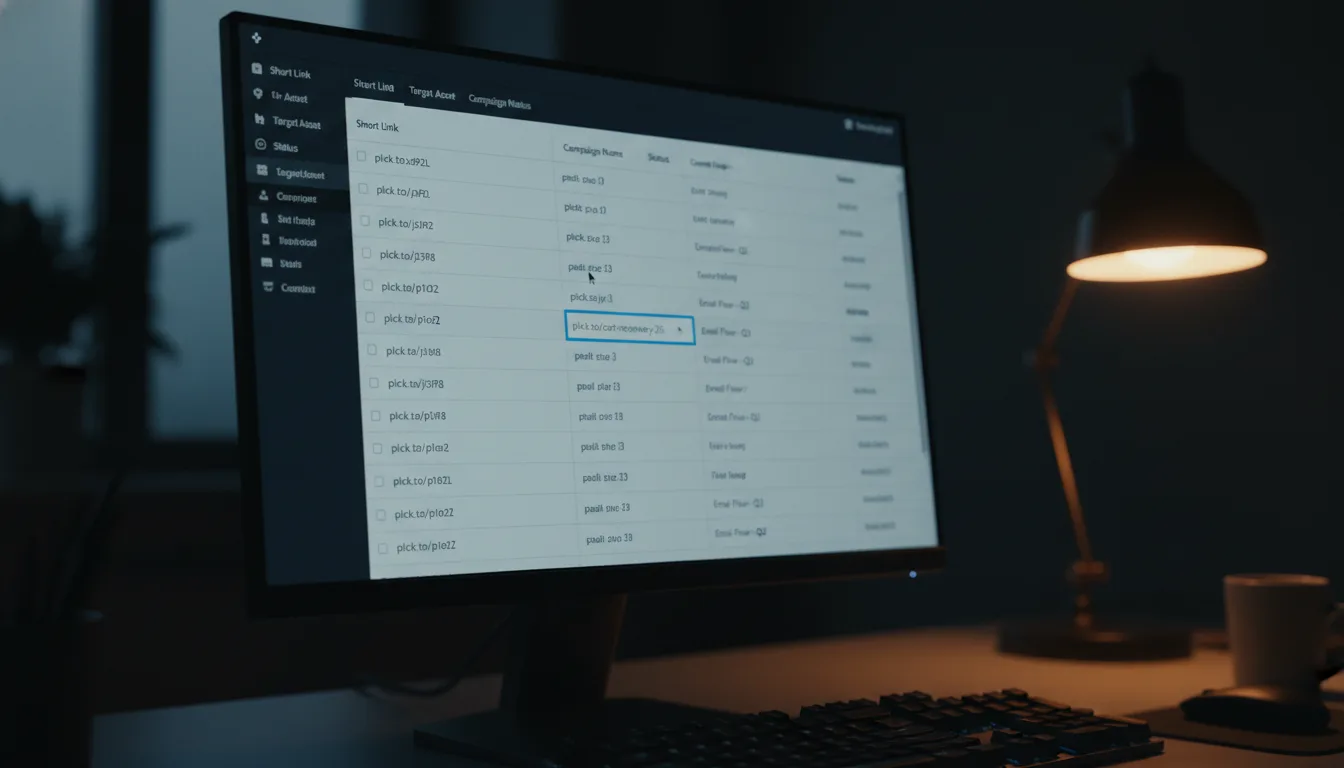
And this, my friends, is precisely where advanced URL shortening platforms truly shine. By cleverly wrapping your content in a smart, short link, you gain an incredible amount of control. You're no longer just sending someone off into the digital ether; you're routing them through an intelligent gateway. This gateway can seamlessly collect invaluable data, consistently enforce your brand's identity, and even dynamically change the link's destination if circumstances require it. Think of it as your digital content's personal traffic controller!
"The link is the very first interaction a reader has with your story, often even before they consciously register the headline. If that link looks professional, the entire story instantly feels more professional and trustworthy."
Now, let's pull back the curtain and see how this transformative shift actually happens in the real world. We'll explore how a powerful platform like Planck.to can facilitate all this heavy lifting, making your link strategy not just effective, but brilliantly simple.
Implementation: Turning Link Chaos into Crystal-Clear Clarity
Ready to roll up your sleeves? Let's walk through the actual, practical implementation of this strategic approach. How does a busy publisher really go from wrestling with those "spaghetti links" to wielding high-performing, data-rich assets? It's easier than you might think!
Step 1: Embrace Vanity URLs for Unbeatable Branding and Trust
The absolute first step is to ditch those generic, anonymous domain names. Think about it: when you see a link like bit.ly/3x89s, do you instinctively trust it? You've got no clue where it's taking you. It could be a legitimate news story, or it could be a sneaky virus! That uncertainty erodes trust before a click is even made.
Savvy publishers elevate their reach and reputation by customizing the "back-half" of the link—that crucial part after the slash. Instead of a random string of characters, they use something meaningful, like the article's headline or a relevant keyword.
Let's look at an example:
Original, lengthy URL: www.site.com/politics/2024/05/election-results-live-updates
Transformed, branded link: planck.to/election-live
See the difference? This immediately tells the user exactly what to expect. It's clear, concise, and incredibly trustworthy. In fact, studies have consistently shown that descriptive, branded short links can skyrocket click-through rates by as much as 34%! That's a huge win for engagement.
Step 2: Deep Linking for Seamless App Engagement
Many modern publishers have invested heavily in their own dedicated mobile apps. And for good reason! They understand that a reader actively engaged within their app is often five times more valuable than a reader on the mobile web, thanks to better ad targeting capabilities and significantly higher retention rates.
The snag? Standard links, even if you have an amazing app, usually default to opening in a mobile web browser (like Safari or Chrome). This creates unnecessary friction, especially when a user is already logged in or subscribed within your app but hits a frustrating paywall on the mobile web. What a headache!
But here's the magic: with a tool like Planck.to, you can harness the power of deep linking. This smart routing technology intelligently detects the user's device and takes the most logical, user-friendly action:
- If they already have your app installed: The link, let's say planck.to/daily-briefing, opens directly inside your app, taking them straight to the content. No friction, no fuss!
- If they *don't* have your app: It smartly redirects them to your mobile website or, even better, directly to your app's download page in their respective App Store.
By effectively implementing deep links, publishers consistently observe a significant spike in daily active users (DAU) within their proprietary apps. This isn't just a vanity metric; it directly translates to higher engagement, improved user retention, and ultimately, a stronger subscriber base.
Step 3: Supercharge Your Tracking with UTM Parameters (the Smart Way)
To truly understand what resonates with your audience and what drives results, you absolutely must track everything. The challenge? Those essential UTM parameters (you know, those ?utm_source=twitter tags) make your links incredibly, painfully long. They're vital for data, but terrible for aesthetics and user experience.
So, what's the smart publisher's workflow? It involves adding these critical—but heavy—tracking parameters *before* you even think about shortening the link.
Here's how this seamless workflow typically plays out:
- First, grab your raw article URL.
- Next, append all your detailed tracking codes, like:
?utm_source=newsletter&utm_campaign=summer_sale. - Finally, shorten this entire, information-rich bundle into a beautiful, clean link such as planck.to/summer-sale.
Tangible Results: What Happens When You Clean Up Your Links?
Alright, so you've embraced the power of strategic link management, diligently implementing branded, short links across your entire distribution strategy. That's fantastic! But what's the real, tangible return on investment? What can you actually expect to see? Let's break down the exciting results:
Higher Click-Through Rates (CTR) – It's All About Trust!
Believe it or not, neatness genuinely counts in the digital world. A clean, inviting link like planck.to/viral-video is simply more appealing and trustworthy. It subtly implies a curated, professional experience. Publishers consistently report that these types of clean, branded links perform significantly better on social media platforms, especially those with stringent character limits or visual constraints like Twitter (X) or Instagram Stories. When your link looks good, people are more likely to click it – it's that simple.
Enhanced "Dark Social" Visibility – Shine a Light on Hidden Traffic
Ah, "Dark Social." This mysterious realm refers to all that valuable traffic that stems from private sharing channels—think WhatsApp chats, Slack channels, direct messages, and email forwards. Typically, your standard analytics software struggles to pinpoint the origin of this traffic, often lumping it frustratingly under "Direct." It's like knowing your content is being shared, but having no clue by whom or where.
However, by strategically creating a specific short link for, say, your exclusive WhatsApp broadcast list (e.g., planck.to/whatsapp-brief), every single click on that link becomes fully attributable. Finally, you can illuminate that dark social traffic and truly see how much engagement and traffic your private sharing efforts are driving! It’s like discovering a hidden goldmine of data.
Seamless Print-to-Digital Conversion – Bridging the Gap
For publishers who still champion the power of print editions, short links are an absolute lifesaver. Let's be realistic: you can't possibly ask a reader to painstakingly type a 100-character URL from a magazine page into their smartphone. That's just asking for frustration! But will they type a short, memorable link like planck.to/win? Absolutely! This simple yet powerful strategy effectively bridges the critical divide between your physical print content and your dynamic digital offerings, ensuring no reader gets left behind.
Always make it a habit to capitalize the first letter of each word in your short link slug (e.g., planck.to/MorningNews versus planck.to/morningnews). It’s a small detail, but it significantly improves readability and accessibility for your users, making your links even more inviting!
Your Action Plan: How to Apply This to Your Publication Today
Feeling inspired to overhaul your publication's link strategy? Excellent! You're making a smart move. Here's a practical, step-by-step roadmap to help you get started immediately and transform your links into powerful assets:
1. Conduct a Thorough Link Audit
Start by taking a critical look at your recent output. Scroll through your last 10 tweets, Facebook posts, or newsletter sends. Are your links getting cut off? Do they look generic and unbranded? Where are they the "messiest"? Identify the channels where improved link management will make the most immediate and significant impact. This initial audit will highlight your biggest pain points and opportunities.
2. Define a Clear Naming Convention
Consistency is absolutely paramount, especially for busy editorial teams. Establish specific, easy-to-follow guidelines for your social media editors and content creators. This ensures everyone is on the same page and your links are always professional and predictable.
- For Breaking News: Consider slugs like planck.to/Breaking-[Topic] (e.g., planck.to/Breaking-Election)
- For Evergreen Content: Opt for slugs like planck.to/Guide-[Topic] (e.g., planck.to/Guide-AI)
- For Subscriber-Exclusive Offers: Use slugs such as planck.to/Premium-[Offer] (e.g., planck.to/Premium-Access)
3. Centralize Your Tooling (and Your Data!)
Here's a crucial piece of advice: don't let every editor use a different free, random tool they found on Google. That's a recipe for fragmented data and operational chaos! Instead, centralize your entire team on one robust platform, like Planck.to. This ensures that all your valuable link data, tracking, and management capabilities reside in one unified dashboard. What's more, if an editor ever leaves the company, you won't lose access to any of the critical links they created. It keeps your operation smooth and your data secure.
4. Monitor, Analyze, and Rotate Your Content
The journey doesn't end once the link is live! Actively use your analytics dashboard to keep a close eye on which headlines and content pieces are truly grabbing attention. The beauty of a managed short link is its flexibility. If a particular link isn't performing as expected, you have the incredible power to change its destination *without* having to modify or repost the original content. For instance, if planck.to/todays-top-story initially linked to a politics piece that's no longer developing, you can easily update the destination URL to point to a new, breaking weather story. This keeps your links active, relevant, and endlessly useful, maximizing their lifespan and impact!
Conclusion: Unlock Your Content's Full Potential
In the relentlessly fast-paced, competitive world of digital media, it's often the small, seemingly insignificant details that ultimately yield the biggest, most impactful returns. A URL might, at first glance, seem like nothing more than a technical afterthought, something to be quickly copied and pasted. But for a publisher like you, it's so much more. It's the vital vessel that carries your valuable content, your carefully crafted stories, and your unique perspective out into the vast digital world.
By making the conscious, strategic shift from messy, raw links to clean, intelligently managed, and beautifully branded short links, you're not just tidying up your social feed (though that's a nice bonus!). You're actively building deeper trust with your audience, gathering absolutely critical intelligence about their behavior and preferences, and most importantly, ensuring that your incredible content gets the unparalleled reach and engagement it truly deserves.
So, don't let a brilliant story wither away or fail to connect simply because of a clunky, unreliable link. It's time to elevate your URLs, take control of your digital distribution, and watch your audience—and your impact—grow exponentially. What are you waiting for?
Ready to get started?
Join thousands of users who are already using our platform to manage their links efficiently.
Create Your Free Account