How to Optimize Your Links with Click Statistics

Ready to get started?
Join thousands of users who are already using our platform to manage their links efficiently.
Create Your Free AccountUnlocking Your Link's True Potential: A Human-Centric Guide to Click Statistics
Ever hit publish on a new piece of content, shared your carefully crafted link, and then just... crossed your fingers? You're not alone! In today's lightning-fast digital world, simply sharing a link isn't enough anymore. You've got to know if it's truly hitting home, reaching the right eyeballs, and actually inspiring action. That's where click statistics step in – they're not just numbers; they're your secret weapon for transforming good links into truly great ones.
Think about it: every single time someone clicks your link, they're sending you a little signal. It's like a tiny, digital whisper telling you something important. By diligently gathering and analyzing these signals, you unlock invaluable insights into your audience's behavior, the real effectiveness of your content, and just how well your distribution channels are performing. It’s not simply about knowing *how many* clicks you racked up; it's about digging deeper to understand the story woven into those clicks. Once you grasp that narrative, you can optimize your entire strategy, making every future click work harder for you.
Ready to stop guessing and start knowing? This comprehensive guide is going to walk you through everything you need to harness the immense power of click statistics. We'll show you how to refine your online presence, skyrocket engagement, and ultimately, crush your digital goals. Let's dive in!
Getting Your Ducks in a Row: What You'll Need to Begin Your Optimization Journey
Before we can truly start transforming those links, we need to lay down a solid foundation. The good news? The prerequisites are pretty straightforward and probably less intimidating than you might think!
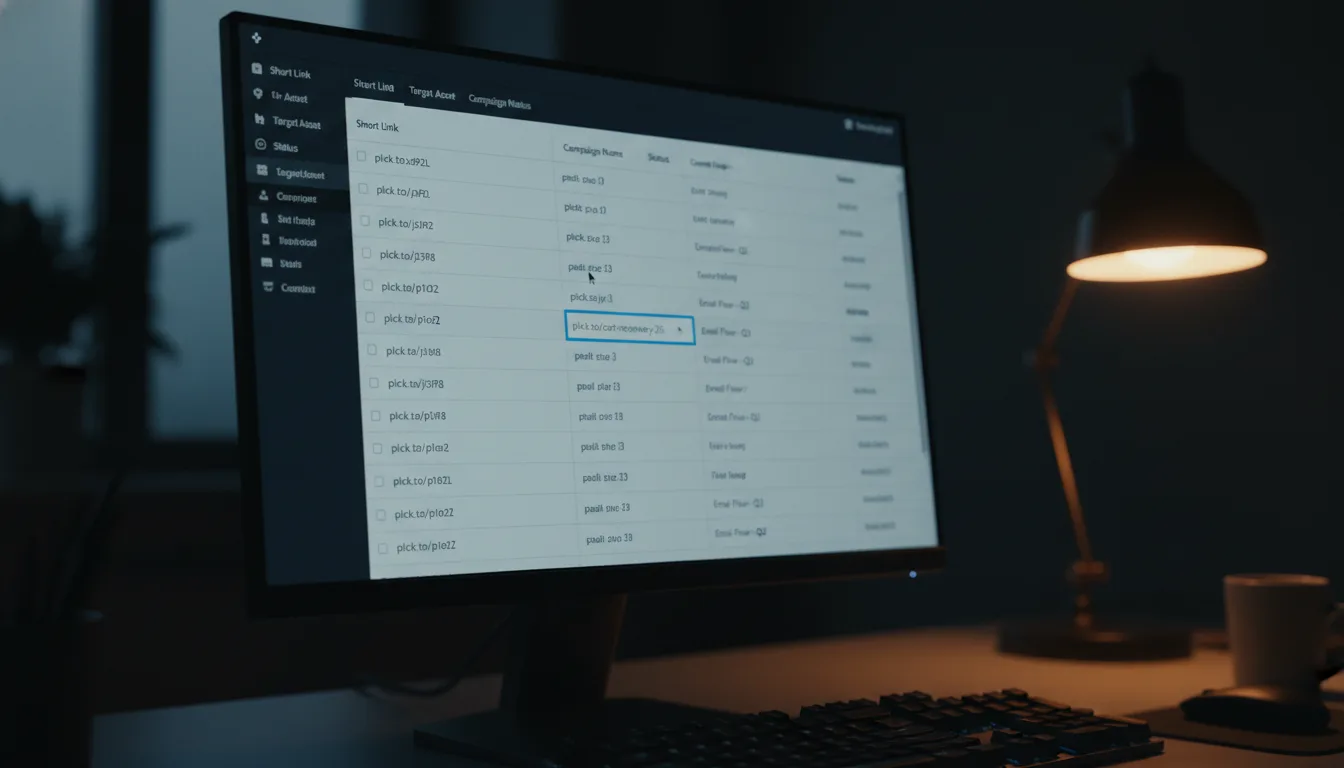
- A Reliable Link Shortening Service with Analytics: Here's the thing – this isn't just a "nice to have"; it's an absolute game-changer. You absolutely need a platform that not only shortens your lengthy URLs into neat, shareable planck.to links but also offers robust, comprehensive tracking and analytics. Imagine having a dashboard that gives you all the data you could ever wish for, neatly organized and easy to understand. That's what a top-tier service like Planck.to provides, giving you the detailed insights essential for smart optimization.
- Links, Links, and More Links (Already Out There!): You can't track what hasn't been deployed, right? So, make sure you've already created a few shortened links. We're talking about links like planck.to/mycampaign or planck.to/promo23. Crucially, these links need to be shared across your various digital battlegrounds – think social media, email newsletters, your website, even those paid ads. The more diverse your deployment, the richer your initial data set will be.
- A Clear Goal or Burning Question: While it's always fun to just poke around your data and see what pops up, having a specific question or objective in mind will make your analysis infinitely more focused and actionable. Are you trying to figure out which social media platform is truly a click magnet for your audience? Or perhaps pinpointing the absolute best time to hit send on your next email campaign? Knowing your "why" will guide your data exploration.
The entire universe of link optimization revolves around reliable, accurate, and easy-to-digest data. So, investing in a powerful link management platform that truly delivers on detailed click statistics isn't just smart; it's absolutely fundamental to your success.
Your Optimization Blueprint: A Step-by-Step Guide to Harnessing Click Statistics
Alright, you're prepared, you've got your tools, and you know what you're looking for. Now, let's roll up our sleeves and walk through the exciting process of accessing, understanding, and truly leveraging your click data to supercharge your online presence.
Step 1: Unveiling Your Click Statistics Dashboard
Your very first port of call will always be logging into your chosen link management platform. Once inside, you'll want to navigate straight to the analytics section. Don't worry, most modern platforms are designed with user-friendliness in mind, so this step is usually quite intuitive.
- Find That Analytics Tab: After you've successfully logged in, keep an eye out for a section that's usually labeled something like "Analytics," "Statistics," "Dashboard," or "Performance." It's often front and center.
- Get an Overview of Your Dashboard: Once you're in, you'll typically be greeted by an overview of all your links' collective performance. This initial snapshot is incredibly useful and often includes:
- A sleek graph illustrating your total clicks over time, letting you visualize trends instantly.
- Intriguing breakdowns by geographic location – discover where your audience truly lives!
- A clear list showcasing your top-performing links, highlighting your winners.
- Crucial data on referral sources, telling you exactly *where* those valuable clicks originated.
- And sometimes even insights into the device type users are clicking from (hello, mobile vs. desktop!).
- Drill Down into Specifics: While the overview is great, for truly actionable insights, you'll want to click on individual links. This allows you to dive deep into their unique performance metrics, uncovering their specific stories.
Step 2: Decoding the Metrics That Matter
Let's be honest, numbers can sometimes feel a bit like a foreign language. But fear not! We're going to demystify the key metrics you'll encounter. Understanding what each one truly represents is absolutely fundamental if you want to move beyond just looking at data and actually use it for effective optimization.
- Total Clicks vs. Unique Clicks: The Duo You Need to Know
- Total Clicks: This is the raw, unadulterated count of every single time your link was clicked. It includes repeat clicks from the same user. Think of it as a gauge of overall activity – how much buzz your link is generating.
- Unique Clicks: Ah, this is often the real star! Unique clicks represent the number of distinct individuals who clicked your link. It's a much more accurate and insightful measure of your actual audience reach and genuine engagement.
Optimization Insight: If you see a sky-high total click count but your unique clicks are relatively low, it might mean you've got a few super-engaged fans, but your overall reach is limited. For broader impact and a growing audience, your mission should be to consistently grow those unique clicks!
- Click Trends Over Time: Your Scheduling Superpower
These are those beautiful visual graphs that show you precisely *when* your clicks occurred. Day by day, hour by hour – it's all there!
Optimization Insight: This data is pure gold for scheduling! Spot those peak hours or days when your audience is most active. If your clicks consistently spike at 10 AM, doesn't it make sense to schedule your most crucial posts or emails around that magical time? Conversely, if a campaign launched on Tuesday completely flops, maybe Wednesday or Thursday is worth a try next time around!
- Geographic Data: Uncovering Your Global (or Local) Audience
This tells you exactly where in the world your clicks are coming from. Pinpoint countries, cities, even regions.
Optimization Insight: This metric is fantastic for understanding your audience's location. Are you seeing unexpected traffic from a particular country or city? That could signal an untapped market or a niche interest you didn't even know existed! Use this insight to tailor your language, content, or even specific offers for that demographic.
- Referral Sources: Who's Sending You the Love?
These are the invaluable indicators that show you precisely which websites, social media platforms, or apps directed users to your link. It's like a digital breadcrumb trail back to the origin!
Optimization Insight: This is absolutely critical for understanding channel effectiveness. If your statistics clearly show that Instagram is driving significantly more clicks than Facebook, what does that tell you? You might want to reallocate your time, budget, and creative resources to Instagram. This is also where you'll get definitive proof if your email campaigns, blog posts, or partner collaborations are truly delivering value.
- Device Data: Mobile or Desktop? Know Your Audience's Screen!
This metric reveals whether users clicked from a desktop computer, a mobile phone, or a tablet. Simple, yet powerful.
Optimization Insight: If the vast majority of your clicks are coming from mobile devices, then you *must* ensure your landing page experience is perfectly optimized for mobile viewing. A slow, clunky, or poorly formatted mobile site can quickly lead to sky-high bounce rates, effectively negating all the hard work you put into getting those initial clicks.
Step 3: Connecting the Dots – Analyzing and Interpreting Your Data
Here's the truth: data, in its raw form, is just noise. It's a jumble of numbers and graphs. The real magic happens when you start connecting those dots, when you begin to form actionable insights that can genuinely transform your strategy. This is where you become the detective!
- Spot Your Champions: Identify High-Performing Links: Take a good, hard look at your most-clicked links. What do they have in common? Was it the catchy headline? A compelling image? Perfect timing? Or perhaps the platform you shared it on? Once you uncover these common threads, you're armed with the knowledge to replicate their success.
- Don't Shy Away from the Underdogs: Spot Underperforming Links: Conversely, which links are gathering digital dust? Why aren't they getting any traction? Is your call to action unclear? Are you targeting the wrong audience? Is the content itself just not resonating? Dig deep and understand the "why."
- Marry Your Data to Your Marketing Efforts: This is where hypothesis testing shines! Let's say you ran an A/B test, trying out two different headlines for the same content, pointing to planck.to/headlineA and planck.to/headlineB. By directly comparing their click statistics, you instantly know which headline was the crowd favorite and why. It's irrefutable proof!
- Play Detective: Look for Anomalies: Did you suddenly get a massive spike in clicks from a country you've never targeted before? Or perhaps an unexpected referral source popped up? Don't ignore these! Investigate anomalies; they could reveal exciting new opportunities you hadn't considered, or perhaps even flag potential issues you need to address.
"Remember, data isn't just a collection of cold, hard numbers; it's a vibrant tapestry of stories waiting to be understood and used for improvement. Every single click whispers a narrative, but only if you know how to truly listen."
Step 4: From Insight to Impact – Implementing Optimization Strategies
This is it – the exciting part! All your careful analysis now culminates in concrete action. Based on the insights you've meticulously gathered, it's time to make smart, data-driven decisions that will drastically improve your link performance and, by extension, your entire digital presence.
- Content Refinement: Give Your Audience More of What They Love: If your statistics clearly show that a specific type of content consistently generates more clicks, don't overthink it: create more of it! Similarly, if certain keywords, phrases, or even emojis in your link descriptions consistently outperform others, make sure to integrate them into all your future posts.
- Timing Adjustments: Hit Them When They're Ready: With your identified peak click times, you now have a strategic advantage. Schedule your crucial social media posts, email newsletters, or even ad campaigns to deploy precisely when your audience is most likely to be online and engaged.
- Channel Optimization: Focus Your Energy Where It Counts: Reallocate your valuable time and resources! Shift your focus and efforts towards the platforms and channels that consistently deliver high click-through rates. And for those underperforming channels? Don't abandon them entirely; instead, experiment with new content formats, different timing, or a fresh approach to see if you can spark some life into them.
- Audience Targeting Adjustments: Speak Directly to Your People: If your geographic data, for example, reveals an unexpected but highly engaged audience segment, consider tailoring specific content or even targeted ads just for them. It's all about making your message resonate with the right people.
- Ready, Set, A/B Test! Ideas for Continuous Improvement:
- Headlines & Copy: Test out different attention-grabbing phrases for the text accompanying your link. Does a question work better than a statement? Long vs. short?
- Call to Actions (CTAs): This is huge! Experiment with variations like "Learn More," "Get Your Free Guide," "Start Your Journey," or "Claim Your Discount." The right CTA can make all the difference.
- Images & Creatives: What kind of visual truly grabs attention? Photos versus illustrations? Bright colors versus muted tones? Test different options to see what resonates.
- Landing Page Variants: While click statistics themselves won't give you deep landing page performance metrics (you'd need web analytics for that), a drastically different click-through rate for a link pointing to an *optimized* page compared to another can strongly suggest that the improved page is inherently more compelling and effective.
Real-World Wins: Examples of Link Optimization in Action
Sometimes, seeing is believing! Let's walk through a couple of common scenarios where applying click statistics can directly lead to game-changing optimization and some seriously impressive results.
Scenario 1: Boosting Social Media Engagement – From Guesswork to Growth
Imagine you're diligently sharing links to your fantastic new blog posts across all your major social channels: Twitter, LinkedIn, and Facebook. Initially, you're just posting them all at roughly the same time, perhaps with similar, generic copy. Seems reasonable, right?
Here's a pro-tip for effective social tracking: always use a unique shortened link for each platform! For instance, if you're promoting a blog, create planck.to/blog-tw for Twitter, planck.to/blog-li for LinkedIn, and planck.to/blog-fb for Facebook. This simple step allows you to track their individual performance with pinpoint accuracy.
After a week of consistent posting, you pop into your click statistics dashboard and discover some fascinating trends:
- LinkedIn: High unique clicks, and almost exclusively during traditional business hours. Makes sense!
- Twitter: Moderate clicks, but spread out throughout the entire day, with a noticeable small spike appearing in the evening.
- Facebook: Pretty low clicks overall, but the vast majority of those few clicks are coming from mobile devices.
Time for Optimization! Here's how you pivot:
- For LinkedIn: You decide to double down. From now on, you'll schedule more industry-focused posts, using professional language, and publish them exclusively during peak weekdays when your target audience is most active.
- On Twitter: You realize your audience is more diverse throughout the day. You start experimenting by posting the same link multiple times a day, but with varied, punchy copy each time to capture different segments of your audience. You also make sure to hit that newly discovered evening slot.
- For Facebook: The mobile-first insight is key! You understand your content might not be visually engaging enough for a quick scroll on a phone, or perhaps the mobile experience needs a serious facelift. You make a strategic decision: you'll start creating short, attention-grabbing video snippets or eye-catching infographics that link directly to the blog post, always with a mobile-first design philosophy.
Scenario 2: Turbocharging Your Email Campaigns
You're sending out a weekly newsletter, packed with exciting updates and several valuable links. Naturally, you're eager to know which types of content truly resonate most with your subscribers and, crucially, when they're most likely to click.
To get precise data, you create specific, trackable links for each item within your newsletter. So, a special offer might be planck.to/nl-promo, and a new blog post could be planck.to/nl-article. Over several weeks, you diligently monitor your click trends and notice a very clear, undeniable pattern:
- Emails sent on Tuesday mornings consistently boast the highest click rates.
- Links leading to your "how-to" guides reliably outperform links to product announcements or company news.
And just like that, you've got actionable insights for Optimization:
- You immediately adjust your email schedule, making sure that future newsletters are primarily sent out on Tuesday mornings to capitalize on that peak engagement window.
- You pivot your content strategy for the newsletter to include more valuable, educational "how-to" content, knowing it's what your audience craves. You also make sure to give these links more prominent placement within your newsletters.
Steer Clear of These Pitfalls: Common Mistakes to Avoid
Click statistics are undeniably powerful, a true game-changer for your digital strategy. However, it's surprisingly easy to stumble into some common traps that can derail your optimization efforts. Don't worry, I'm here to help you avoid them and ensure your efforts are as effective as possible.
- Ignoring Unique Clicks (and Obsessing Over Total Clicks): This is a big one! Focusing solely on the total number of clicks can be incredibly misleading. Imagine a single, super-enthusiastic user clicking your link 20 times. While that inflates your total clicks, it doesn't accurately reflect your broad audience reach. Always, always prioritize unique clicks when you're measuring true audience engagement and reach.
- Setting Sail Without a Compass (Not Having Clear Goals): If you don't actually know what you're trying to achieve with your links, your data analysis will feel directionless, like wandering in the wilderness. Before you even glance at a graph, ask yourself: "What specific question am I trying to answer?" or "What measurable outcome do I want to improve with this data?"
- Jumping to Conclusions from a Tiny Sample (Insufficient Data): A handful of clicks on a brand-new link might offer a tiny glimpse, but it's rarely enough to confidently declare it a massive success or an epic failure. Give your links ample time to gather a sufficient amount of data before drawing any meaningful conclusions. Context, as always, is absolutely key!
- Thinking It's a One-and-Done Deal (Not Making Iterative Changes): Optimization isn't a single event; it's a continuous, dynamic process. Don't analyze your data once, make a change, and then simply forget about it. Continuously monitor, patiently adjust, and relentlessly test. It's an ongoing cycle of improvement.
- Analysis Paralysis (Over-Analyzing Without Taking Action): Oh, this is a tempting trap! It's easy to get lost in the intricate dance of numbers and graphs. But remember, the ultimate goal here is to *optimize*, which inherently means making tangible changes. Your analysis should always, always lead to clear, decisive action.
Beyond the Basics: Troubleshooting & Advanced Optimization Tips
Even with the best intentions, sometimes things don't go exactly as planned. Or perhaps you're ready to really push your optimization efforts to the next level! Here are some tried-and-true pointers for common troubleshooting scenarios and some advanced strategies to consider.
Troubleshooting Common Issues You Might Encounter
- Your Link Isn't Getting Any Clicks? Let's Figure Out Why!
- Check Its Placement: Is the link actually visible? Is it buried deep within a wall of text, forcing users to hunt for it? Make it prominent!
- Audience Mismatch: Are you genuinely sharing it with the right people? Even the best content will fall flat if it's shown to an uninterested audience.
- Is Your Copy Compelling? Is the text accompanying your link intriguing enough to make people *want* to click? Is your Call-to-Action crystal clear and enticing?
- Content Value: Does the link genuinely lead to something valuable, interesting, or helpful? No amount of optimization can fix a link to unengaging content.
- Experiencing Unexpected Traffic Spikes? Let's Investigate!
- Investigate Those Sources: This is where your referral data becomes crucial. Did a major influencer unexpectedly share your link? Was your content picked up by a popular news outlet or blog?
- Potential Bots: While quite rare with reputable link shortening services, keep an eye out for highly unusual patterns – like thousands of clicks originating from a single, obscure IP address, or incredibly short visit durations (though confirming this usually requires web analytics tools).
- Viral Content!: Sometimes, your content just takes off organically! This is a fantastic problem to have. Be prepared to capitalize on this unexpected virality!
Advanced Tips for Deeper Optimization (for the Data Enthusiasts!)
- Embrace Custom Short Links: Ditch those generic, random strings like planck.to/randomstring! Instead, elevate your game by creating custom, branded links such as planck.to/mybrand-ebook. These aren't just more memorable; they inspire greater trust and often lead to significantly higher click-through rates because users immediately know what to expect and who it's from. The best part? Planck.to makes creating these custom short links an absolute breeze!
- Supercharge with UTM Parameters: For the ultimate analytics deep dive, you absolutely *must* combine your link shortener's click statistics with UTM parameters. These powerful tags, added to your *original* URL before you shorten it, allow you to track specific campaign details directly within Google Analytics (or any other web analytics tool you use). This gives you a truly holistic, end-to-end view of your user's journey, from the initial click all the way to a valuable conversion.
- Fuel Your Retargeting and Custom Audiences: While not a direct click statistic feature, the treasure trove of insights you gain can dramatically inform your advertising efforts. If you discover a highly engaged geographic region, or a particular referrer channel that's crushing it, you can then create highly targeted custom ad audiences based on those precise insights. This strategy is incredibly powerful for maximizing your advertising spend and reaching truly interested prospects.
- Leverage A/B Testing Features Within Your Link Management Platform: Some of the more advanced link shorteners (like Planck.to) offer incredible A/B testing features built directly into the platform itself! This means you can automatically split your incoming traffic between different destination URLs (say, two slightly different versions of a landing page) and track which one performs better directly from your centralized dashboard. This is a complete game-changer for conversion optimization and takes the guesswork out of improving your results.
The Unstoppable Power of Data: Your Path to Link Optimization Mastery
Let's face it: optimizing your links with powerful click statistics isn't just some optional "best practice" anymore. In today's hyper-competitive digital landscape, it's an absolute necessity. It fundamentally transforms your links from mere pathways into incredibly powerful data collection points, providing you with the exact intelligence you need to relentlessly refine your content, target your audience with surgical precision, and ultimately, maximize your online impact and reach.
By consistently monitoring those key metrics – your total clicks, unique visitors, geographic data, and the crucial referral sources – you're not just looking at numbers. You're unlocking a profound, deeper understanding of your audience's behavior, preferences, and desires. This invaluable knowledge empowers you to make genuinely informed decisions, continuously iterate on your strategies, and achieve unparalleled levels of engagement, conversion, and overall success.
So, it's time to ditch the guesswork and embrace the glorious world of measurement. Dive headfirst into the power of click statistics, and get ready to watch your links – and your entire digital presence – not just flourish, but truly thrive!
Ready to get started?
Join thousands of users who are already using our platform to manage their links efficiently.
Create Your Free Account