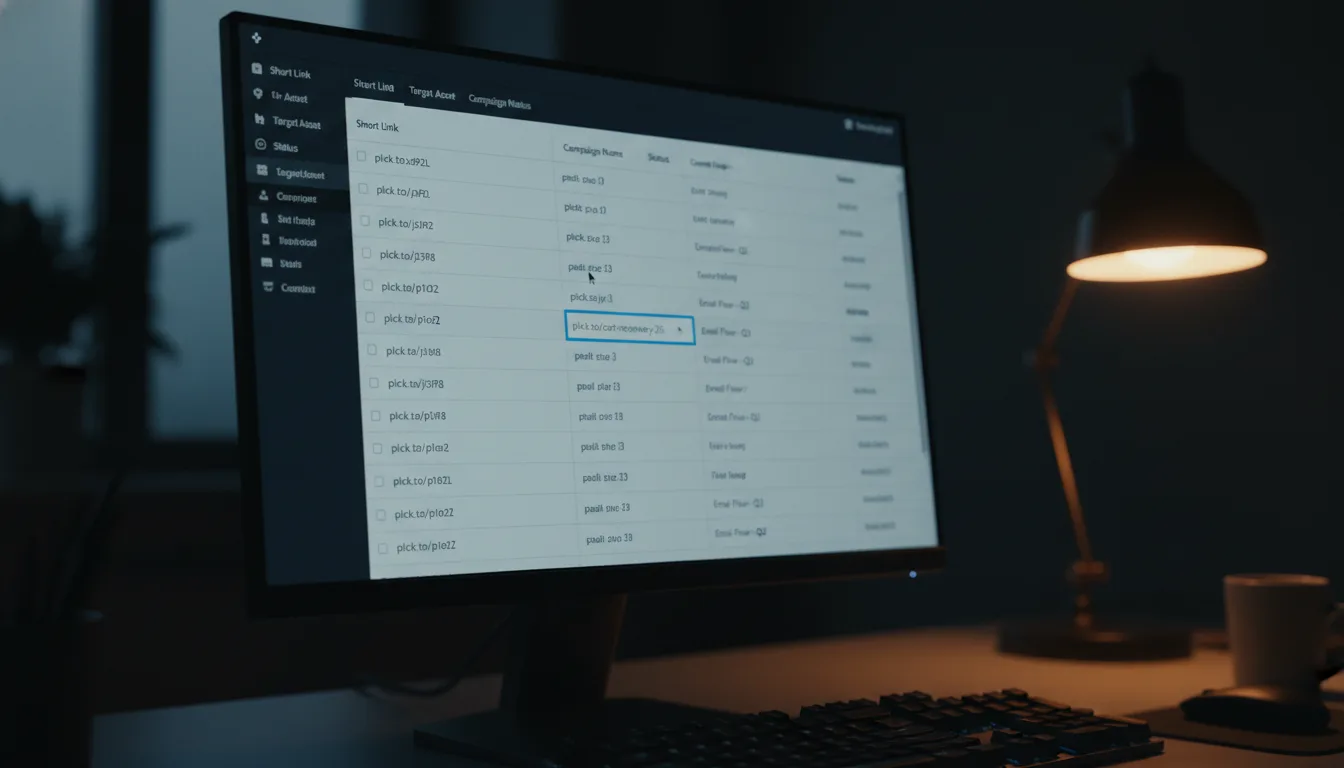
Mastering UTM Parameters: Unlock Campaign Tracking Power
Ready to get started?
Join thousands of users who are already using our platform to manage their links efficiently.
Create Your Free AccountIn the exhilarating, ever-evolving world of digital marketing, where every single click, impression, and conversion tells a part of your brand’s story, truly mastering data tracking isn't just a nice-to-have – it’s an absolute game-changer. Imagine, for a moment, having this incredible crystal ball that could reveal, with pinpoint accuracy, which of your marketing efforts are genuinely capturing your audience's attention, igniting engagement, and ultimately propelling your business forward. Sound like a fantasy? Well, it’s not! This powerful reality is right at your fingertips, thanks to the often-underestimated genius of UTM parameters.
For far too long, many of us marketers have felt like we're navigating a vast, dimly lit maze of analytics. We've grappled with nagging questions like, "Which social media post actually brought in that valuable lead?" or "Is our latest email campaign *really* delivering the ROI we hoped for?" Without the right tools, these crucial insights often remain shrouded in frustrating mystery. But guess what? Today, we're going to pull back that curtain! We're embarking on a journey to demystify one of the most powerful, yet frequently underutilized, weapons in a marketer's arsenal: UTM parameters. Get ready to unlock unparalleled campaign tracking power and transform your marketing strategies from mere guesswork into guided precision. Let's illuminate the path to smarter, more impactful marketing together!
What Exactly Are UTM Parameters? Think of Them as Your Campaign Compass!
At its core, a UTM parameter (which stands for Urchin Tracking Module) is a surprisingly simple, yet incredibly potent, tag that you lovingly attach to a URL. Seriously, think of it as a tiny, unique identifier, a digital fingerprint, that you've stamped onto your links. Why do this? Because when someone clicks on a URL that has these little UTM tags, they send vital information straight back to your analytics software – yep, like Google Analytics. This tells you *exactly* where that user came from, how they stumbled upon your content, and even the specific campaign that originally caught their eye and enticed them to click.
This ingenious system actually got its start with the Urchin Software Corporation (hence "Urchin Tracking Module"), which, as you might know, was later acquired by Google and became the very foundation for what we now recognize as Google Analytics. Its sheer brilliance lies in its elegant simplicity and its remarkable ability to take the complex, often overwhelming tapestry of web traffic and break it down into understandable, actionable segments. Instead of just knowing, "Hey, someone visited our page," UTMs empower you to trace their entire journey back to that very first click. This gives you an unprecedented level of insight into your audience's behavior and, critically, the true effectiveness of all your various marketing channels.
UTM parameters aren't just about collecting data; they're about transforming generic traffic metrics into detailed, attributed campaign performance insights. This clarity helps you truly understand your marketing ROI.
The Five Essential UTM Tags You Absolutely Need to Know
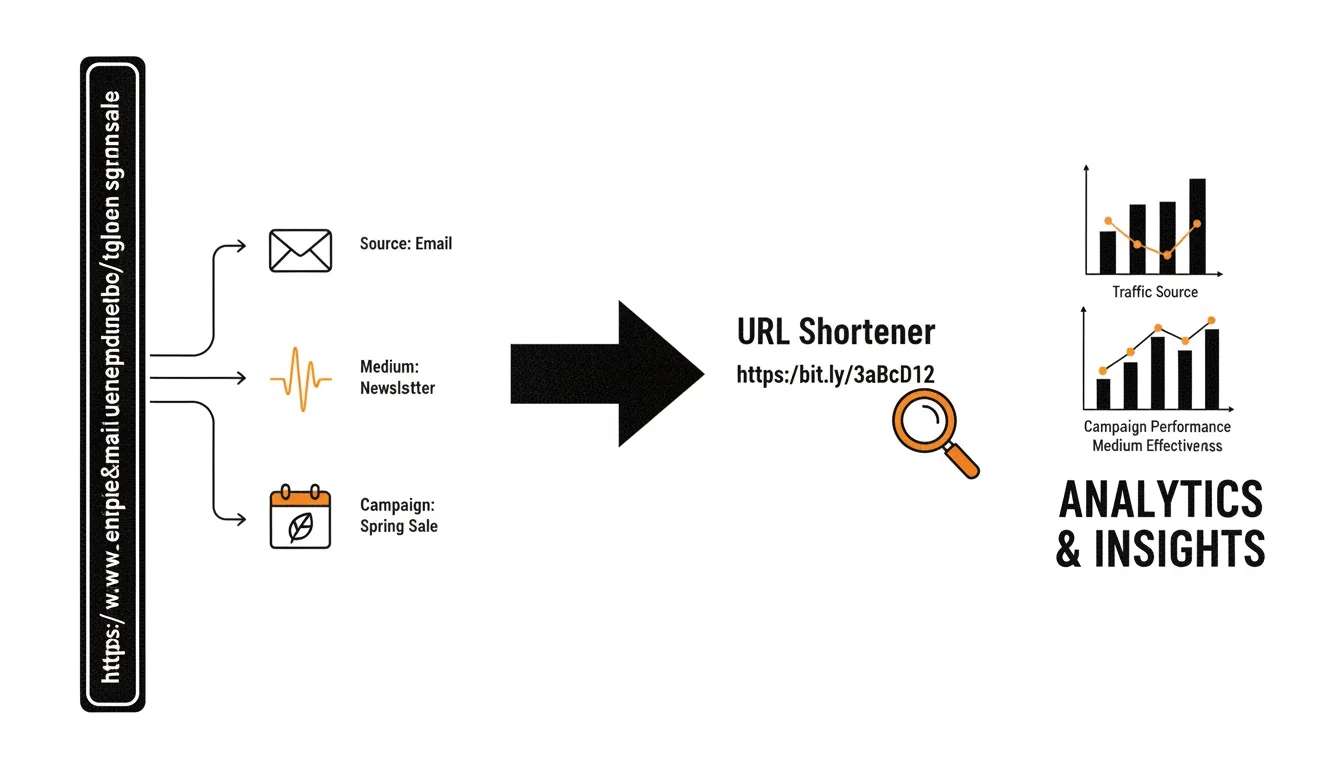
There are five standard UTM parameters, and each one is specifically designed to capture a distinct piece of information about your traffic source. Master these, and you're well on your way to becoming a tracking wizard:
- utm_source: This is all about identifying *where* the traffic originated. Think of it as the specific advertiser, the site, the publication, or even the platform that sent the visitor your way.
Examples:
google,facebook,newsletter,linkedin. - utm_medium: Now, this tells you the *type* of marketing medium used. Was it paid? Organic? Email?
Examples:
cpc(cost-per-click),email,social,display,organic. - utm_campaign: This one is super important for identifying the individual campaign, the specific promotion, or even a particular slogan. It's how you differentiate between different marketing pushes.
Examples:
summer_sale,q4_product_launch,holiday_promo. - utm_term: Primarily, you'll see this used for paid search to note the keywords that triggered an ad. It's incredibly useful for optimizing your PPC efforts.
Examples:
running+shoes,buy+laptops. This parameter is optional, but often very helpful! - utm_content: Want to differentiate between similar content pieces or even multiple links within the *same* ad? This is your go-to. It's fantastic for A/B testing!
Examples:
textlink,banner_ad,button_bottom. This one's also optional, but trust me, it’s a powerful friend for anyone serious about optimization.
How UTM Parameters Really Work: Crafting Your Data Story, One Click at a Time
The true magic of UTM parameters lies in their wonderfully straightforward structure. They're basically tacked onto your URL. First, you use a question mark (?) to signal the start of your parameters. Then, if you have more than one, you use an ampersand (&) to separate each subsequent parameter. So, when a user clicks on one of these specially constructed URLs, your savvy analytics software quickly reads these appended tags *before* the page even loads. It then records all that juicy information within those tags, associating the user's session with your meticulously defined source, medium, campaign, and everything else you've set up.
Let's paint a clearer picture. Imagine your core, pristine URL is https://yourwebsite.com/product-page. Now, let’s say you want to track a Facebook ad that’s shouting about your fantastic summer sale. Your URL, complete with its UTM wisdom, might just look something like this:
https://yourwebsite.com/product-page?utm_source=facebook&utm_medium=social&utm_campaign=summer_sale&utm_content=banner_ad
See how it works? When a user clicks that exact link, your analytics platform doesn't just know *somebody* came. Oh no, it instantly knows, with incredible detail:
- Source: Facebook (Aha! We know where they started!)
- Medium: Social (It was a social media effort!)
- Campaign: Summer Sale (Specifically, our 'Summer Sale' campaign!)
- Content: Banner Ad (And it was our banner ad, not a text link!)
This incredibly granular level of detail is what allows you to leap beyond merely knowing "traffic came from social media" to truly understanding, "Ah, that traffic originated from the *banner ad* within our Facebook 'Summer Sale' campaign." It's like upgrading your view from a blurry, distant overview to a stunning, high-definition close-up of your marketing performance. How awesome is that?
While a UTM-rich URL can look a bit long, don't worry, it won't impact the user's experience one bit. However, for a cleaner look and easier sharing, it's always smart to use a link shortening service. A good one, like Planck.to, can seamlessly apply your UTMs and then generate a neat, tidy shortened link such as planck.to/summersale.
Benefits of Mastering UTM Parameters: The Power to Propel Your Vision Forward
Embracing and truly mastering UTM parameters isn't just about diligently collecting data; it's about so much more. It's about gaining crystal-clear clarity, empowering yourself to make undeniably informed decisions, and ultimately, driving your marketing efforts towards unprecedented and measurable success. When you commit to meticulously tagging your links, you don't just get data – you unlock a veritable treasure trove of insights that can profoundly transform your entire marketing strategy. The benefits are deeply profound and far-reaching, genuinely empowering you to:
Gain Unparalleled Clarity in Campaign Performance
Say goodbye to those frustrating guessing games, once and for all! UTMs provide you with the vision to see precisely which specific ads, which email snippets, which social posts, or even which influencer collaborations are truly resonating with your audience. You'll gain a deep understanding of which headlines actually convert, which imagery captivates and holds attention, and which calls-to-action truly compel users to click. This newfound clarity isn't just helpful; it's the rock-solid foundation for making genuinely data-driven decisions that move the needle.
Optimize Resource Allocation with Unshakeable Confidence
Let's be real: every marketing budget has its limits, right? UTMs act as your trusty spotlight, illuminating exactly where your hard-earned money and precious effort are best spent. By clearly identifying your highest-performing channels and most successful campaigns, you can confidently reallocate resources from those areas that are underperforming to those that are consistently delivering tangible, measurable results. This strategic approach ensures your marketing spend is always working its hardest for you, maximizing your ROI and preventing wasted efforts.
Enhance Decision Making with Unassailable Data-Backed Strategies
The digital landscape is a constantly shifting, dynamic beast. With the rich, detailed UTM data flowing in, you're not just equipped – you're *empowered* to adapt and evolve your strategies based on real-world, undeniable performance. You can pivot quickly when necessary, experiment intelligently with new ideas, and make strategic choices that are backed by concrete evidence rather than relying solely on gut feelings or intuition. This level of agility is absolutely crucial for staying ahead and thriving in today's fiercely competitive market.
Understand the Full Customer Journey Like Never Before
UTM parameters offer you an incredible window into the complete customer journey. You can literally follow the breadcrumbs from their very first interaction with your content all the way through to their final conversion. This means you can analyze how different touchpoints contribute to a successful conversion, identify common pathways users take, and even discover hidden opportunities to optimize the user experience at every single stage. This holistic view is invaluable; it helps you build more effective, more seamless sales funnels that truly convert.
Here's a cool example! By meticulously using UTMs, one clever e-commerce brand discovered that their "abandoned cart" email sequence, when tagged with unique UTMs, was actually recovering a whopping 15% more sales than they had previously attributed. This precise data allowed them to confidently double down on their personalization efforts within that crucial channel, leading to a significant boost in revenue!
Real-World Examples: Bringing UTMs to Life Right Before Your Eyes!
Alright, enough theory! Let’s move from abstract concepts to practical, real-world application. Seeing UTMs in action truly brings home their incredible versatility and undeniable power. Just a quick heads-up: for all our shortened link examples moving forward, we’ll be using the snappy domain planck.to.
Example 1: Promoting a Brand-New Blog Post Across Social Media and Email
Let’s say you’ve just hit publish on a truly insightful new blog post, let's call it "10 Ways to Boost Your Productivity." Naturally, you want to shout about it from the rooftops – or, more realistically, share it across Facebook, Twitter, and LinkedIn, along with your trusty email newsletter. To make things even smarter, you want to know the difference in performance between a standard post and a paid ad on Facebook. Here’s how you'd set up your UTMs:
- Original Link:
https://yourblog.com/productivity-tips - Facebook Organic Post:
https://yourblog.com/productivity-tips?utm_source=facebook&utm_medium=social&utm_campaign=productivity_blog&utm_content=organic_post
Shortened: planck.to/prodFB - Facebook Paid Ad:
https://yourblog.com/productivity-tips?utm_source=facebook&utm_medium=cpc&utm_campaign=productivity_blog&utm_content=paid_ad_carousel
Shortened: planck.to/prodFBp - Email Newsletter Link:
https://yourblog.com/productivity-tips?utm_source=newsletter&utm_medium=email&utm_campaign=productivity_blog&utm_content=hero_banner
Shortened: planck.to/prodEML
Voila! With these distinctly tagged UTMs, you can now effortlessly see which social channel brings in the most traffic, how your paid Facebook ads stack up against your organic posts, and the overall effectiveness of your email campaign – all while promoting the *exact same* blog post! That’s smart marketing in action.
Example 2: Tracking a Seasonal Sale Across Multiple Diverse Channels
Imagine you're launching a sizzling "Summer Flash Sale" and you're promoting it everywhere: through Google Search Ads, on a major display ad network, and even via an enthusiastic affiliate partner. You need to know what's working best. Here's how you'd track that:
- Original Link:
https://yourstore.com/flash-sale - Google Search Ad (PPC):
https://yourstore.com/flash-sale?utm_source=google&utm_medium=cpc&utm_campaign=summer_flash_sale&utm_term=flash+sale+deals
Shortened: planck.to/flashG - Display Network Ad (Banner):
https://yourstore.com/flash-sale?utm_source=adnetworkX&utm_medium=display&utm_campaign=summer_flash_sale&utm_content=skyscraper_banner
Shortened: planck.to/flashDX - Affiliate Partner (Blog Review):
https://yourstore.com/flash-sale?utm_source=affiliateblogY&utm_medium=affiliate&utm_campaign=summer_flash_sale&utm_content=review_link
Shortened: planck.to/flashAY
Now, with this setup, you can directly compare the conversion rates, the generated revenue, and the overall effectiveness of your paid search campaigns, your display advertising, and your affiliate marketing efforts – all for the *very same sale*! This kind of data is absolutely priceless for optimizing your budget, identifying your most profitable channels, and making sure every dollar counts.
"The truly beautiful thing about UTMs is that they empower you to tell a precise, nuanced story about every single click your marketing efforts generate. It's the profound difference between just hearing a vague rumor and having the comprehensive clarity of reading a highly detailed, data-rich report."
Getting Started: Your Step-by-Step Guide to UTM Mastery
The journey to truly mastering UTM parameters is actually much simpler than you might initially think. With a systematic, organized approach and the right tools at your disposal, you’ll be tracking your campaigns like a seasoned pro in absolutely no time. Ready? Here’s your actionable, step-by-step guide to getting started on your path to UTM brilliance:
Step 1: Define Your Tracking Strategy and Nail Down Naming Conventions
Before you even think about building a single UTM link, pause and ask yourself: what exactly do I want to track? And how will I name my parameters? This initial planning is critical because consistency is absolutely paramount for keeping your data clean, readable, and truly useful. Establish clear, non-negotiable rules for each parameter:
- Lowercase Always: This is a big one. Always, always use only lowercase for all your parameters (e.g.,
facebook, notFacebookor the shoutingFACEBOOK). Why? Because analytics software treats these as different values, leading to fragmented, messy data. - Use Underscores or Hyphens: If you have spaces in your names, replace them. Either
summer_saleorsummer-saleworks best. Pick one and stick with it! - Standardize Sources: Get your team to agree on standard names for common sources, like
google,facebook,linkedin,newsletter,blog. - Standardize Mediums: Do the same for mediums: consistently use
cpc,social,email,affiliate,display,qr. - Campaign Specificity: Make your campaign names unique and descriptive! Something like
q4_holiday_promo_2023is much better than justholiday_promo.
Step 2: Harness the Power of a UTM Builder (And Don't Forget a Link Shortener!)
Manually constructing all those UTM URLs? That can quickly become tedious and, let's be honest, prone to frustrating errors. Thankfully, you don't have to! There are some excellent tools out there designed to make this process a breeze. Google, for instance, offers a free Campaign URL Builder. Even better, many modern link management platforms integrate robust UTM building capabilities directly into their interface. This is precisely where a platform like Planck.to truly shines, allowing you to effortlessly add UTM parameters as you create and manage your shortened links. It's a real time-saver!
When you're working with a smart tool like Planck.to, you often have the fantastic flexibility to define your UTM parameters just once. Then, you can apply them to multiple links or even set up default parameters for your different marketing channels. This clever feature dramatically saves time and helps enforce that all-important consistency!
Here’s how a typical, streamlined process might look within a top-notch link management platform:
- First, simply paste your long, original destination URL.
- Next, enter your desired
utm_source,utm_medium,utm_campaign, and so on, into their respective, clearly labeled fields. - The intelligent tool then automatically generates the complete, UTM-tagged URL for you. No manual typing errors here!
- Finally, it thoughtfully creates a clean, much shorter version of that URL (e.g., planck.to/yourcampaign) – all while magically preserving every single piece of that crucial tracking data.
Step 3: Seamlessly Integrate with Your Link Shortening Strategy
Let's face it: those long URLs, especially when laden with UTM parameters, can look a bit messy and intimidating. They're not exactly aesthetic, particularly on social media posts or in print materials. This is precisely why combining the power of UTMs with beautifully shortened links is considered a true best practice in digital marketing. A service that supports custom domains (like many modern link management tools) allows you to effortlessly transform a complex URL like this:
https://yourwebsite.com/amazing-offer?utm_source=instagram&utm_medium=story&utm_campaign=flash_sale&utm_content=swipe_up
...into something far more elegant, memorable, and shareable, such as:
The best part? All that valuable UTM data is still faithfully passed along to your analytics platform, but your links remain utterly clean, professional, and incredibly appealing to your audience. Many robust platforms, like Planck.to, offer seamless features to handle this combination, ensuring your links are both perfectly trackable and beautifully brand-aligned.
Step 4: Diligently Monitor and Analyze Your Data
Once your UTM-tagged links are out in the wild and live, that’s when the real magic truly begins! Now it’s time to head over to your preferred analytics platform (think Google Analytics). You’ll typically find your goldmine of campaign data neatly organized under the path: Acquisition > Campaigns > All Campaigns. From there, you can joyfully slice and dice your data by source, medium, and campaign to clearly see which of your efforts are genuinely driving traffic, sparking engagement, and ultimately, leading to those all-important conversions.
Step 5: Continuously Refine and Optimize
The incredible insights you gain from using UTMs aren't just for compiling reports; they are, first and foremost, for *action*! Use that hard-won data to iterate on your campaigns, strategically reallocate your budget, sharpen and refine your messaging, and continuously improve your overall marketing performance. This iterative process of learning, adapting, and improving is the absolute hallmark of truly successful and impactful digital marketing. Never stop optimizing!
Advanced Tips for UTM Mastery: Elevate Your Tracking Game to the Next Level!
So, you've got the basics down, you're confidently tagging your links, and you're starting to see the amazing insights roll in. Fantastic! Now, are you ready to explore some more advanced strategies? These tips can help you further refine your data, manage even more complex campaigns, and unlock even deeper, more powerful insights from your UTM implementation. Let's really elevate your tracking game!
1. Enforce Strict Naming Conventions Across Your Entire Team
I simply cannot stress this enough: when it comes to UTMs, consistency is king. Period. Think about it: if one marketer uses "facebook" and another uses "FB" for the exact same source, your data will become fragmented, messy, and incredibly difficult to analyze effectively. To prevent this headache, create a shared, easily accessible document with *approved*, standardized naming conventions for every possible source, medium, and campaign. And then? Conduct regular, friendly audits to ensure everyone on your team is sticking to the plan. Trust me, your future self (and your data analyst!) will thank you.
A fragmented UTM strategy, unfortunately, is almost as detrimental as having no UTM strategy at all. It might seem like a small detail, but investing time and effort into standardization will pay dividends in data quality and actionable insights.
2. Beware of Internal Linking with UTMs (It's a Common Pitfall!)
This is a super common mistake many marketers make, so listen up! A significant pitfall is inadvertently adding UTM parameters to links *within your own website*. For instance, if a user clicks a navigation link from your homepage to a product page, and that internal link has UTMs, it will completely overwrite the original source/medium data! This makes it look like the user came from your own site, rather than the initial external source that *actually* brought them there. The golden rule? Only use UTMs for links that point to your site from external sources. Keep your internal links clean!
3. Master Dynamic Parameters for Effortless Scale
For those running larger campaigns, this tip is a lifesaver. Many sophisticated advertising platforms (like Google Ads or Facebook Ads) offer the incredibly useful ability to *dynamically* append UTM parameters. What does this mean? It means the platform can automatically populate UTM values based on your campaign, ad group, or specific ad details! For example, Google Ads can automatically fill in utm_source as google, utm_medium as cpc, and utm_campaign with your actual campaign name. Learning to leverage these dynamic features will save you countless hours and drastically reduce manual errors, especially when managing extensive, large-scale campaigns.
4. Create Custom Reports and Tailor-Made Dashboards
While the standard reports in your analytics platform are definitely helpful, truly tailor-made reports and custom dashboards can bring your UTM data to vibrant life. Take the time to create dashboards that intelligently combine your most critical metrics (think sessions, bounce rate, conversions, revenue) with your custom UTM dimensions (like source, medium, and campaign). This smart setup allows you to quickly visualize performance trends, spot anomalies, and identify opportunities without having to dig through multiple menus every single time. It's about getting the answers you need, faster.
5. Utilize UTMs for Next-Level A/B Testing of Creative and Calls-to-Action
The utm_content parameter isn't just a tag; it's your secret weapon for supercharging your A/B testing efforts! Let's say you have two slightly different banner ads for the same campaign, running on the same platform. Use distinct utm_content values for each (e.g., banner_ad_blue versus banner_ad_red). This simple trick lets you precisely see which creative element performs better in your analytics, providing incredibly invaluable insights for optimizing your design, messaging, and overall ad effectiveness.
For instance, if you're testing two different email subject lines for the same weekly newsletter:
- Email Subject A Link: planck.to/newsletter-a?utm_source=newsletter&utm_medium=email&utm_campaign=weekly_digest&utm_content=subject_a
- Email Subject B Link: planck.to/newsletter-b?utm_source=newsletter&utm_medium=email&utm_campaign=weekly_digest&utm_content=subject_b
See? This straightforward setup enables you to directly compare the open rates, click-through rates, and ultimately, the conversion performance of each subject line right within your analytics dashboard. Powerful stuff!
6. Regularly Review and Proactively Adapt Your Strategy
The digital marketing landscape is a dynamic, ever-evolving beast. What worked brilliantly today might not be the most effective strategy tomorrow. That's why it's crucial to periodically review your UTM naming conventions and your overall tracking strategy. Ask yourself: are they still providing the specific insights you need? Are there any new channels or campaign types that you need to account for in your tagging? Be proactive! Adapt your approach to maintain optimal tracking effectiveness and ensure your data remains as sharp and actionable as possible.
Conclusion: Your Journey to Data-Driven Brilliance Starts Now!
You’ve made it! You now stand at the exciting precipice of a more intelligent, more profoundly insightful era in your marketing journey. Mastering UTM parameters isn't just about picking up a new technical skill; it’s a strategic imperative. It empowers you to skillfully peel back the often-complex layers of your digital campaigns and reveal the unvarnished truth of what truly resonates with your audience. It's about confidently moving beyond mere assumptions and wholeheartedly embracing the crystal-clear clarity that only precise, actionable data can provide.
Think of it this way: every single click your campaigns generate represents a unique opportunity. And with UTMs, you don't just see those opportunities; you transform them into quantifiable, robust knowledge. You gain the undeniable power to precisely optimize your budgets, to artfully refine your messaging, and to pinpoint the exact moments and channels that consistently drive real, tangible success. No longer will you be left wondering if your tireless efforts are truly making an impact; instead, you will confidently and emphatically know.
So, take this newfound knowledge, enthusiastically embrace the powerful tools now available to you, and start tagging your links with genuine purpose and intention. Let every single campaign you launch tell a clear, compelling, and utterly data-backed story. The path to data-driven brilliance is wide open and brightly illuminated. With UTM parameters as your steadfast guide, you are perfectly poised to achieve marketing success that isn't just inspiring, but also consistently measurable and wonderfully repeatable. Now, go forth and conquer your marketing goals!
Ready to get started?
Join thousands of users who are already using our platform to manage their links efficiently.
Create Your Free Account